
UNBOUND
BREAKING BARRIERS,
BUILDING FUTURES
Grow your career. Empowered by AI. Rooted in Wellbeing
We offer education and resources to help women and organizations
navigate emerging tech and build meaningful
success — without trading health, connection, or purpose.
UNBOUND
BREAKING BARRIERS,
BUILDING FUTURES
Grow your career. Empowered by AI.
Rooted in Wellbeing.
We offer education and resources to help women and organizations navigate emerging tech and build meaningful success — without trading health, connection, or purpose.
What We Offer
SElf-paced Courses and Resources
Assessments, Tools, Blog, Courses and Ebooks! See below
Live virtual
AI courses

Click Below to Sign up for our Next Course!
Custom trainings For your teams

Schedule a Meeting to Review your Specific Needs!
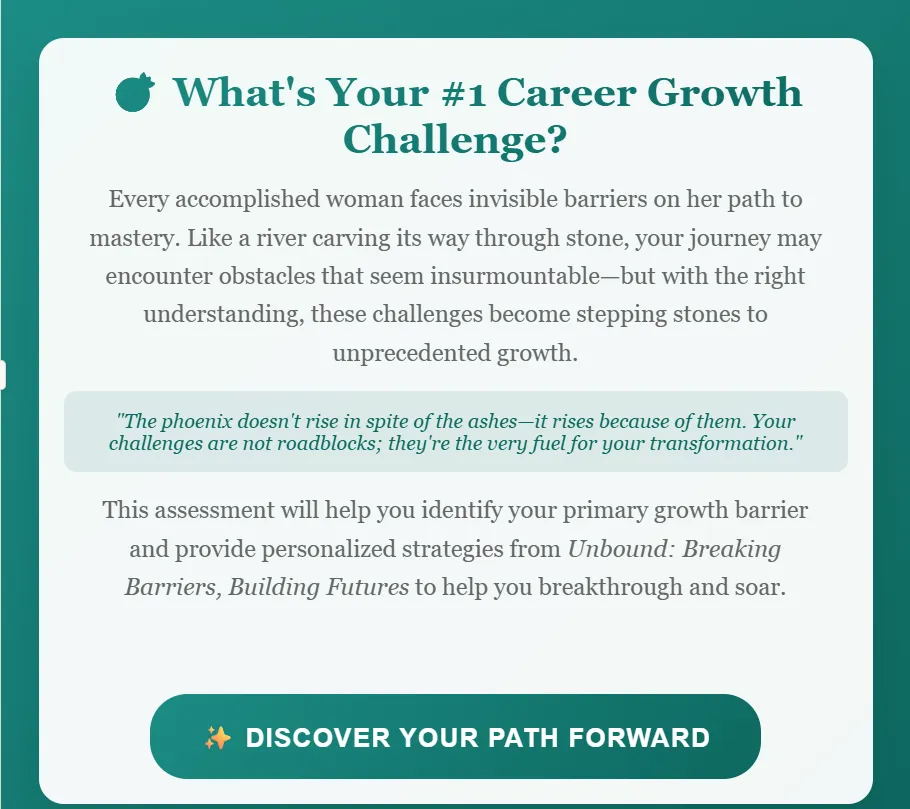
Whats Your #1 Career Growth Challenge?
Take Your FREE Assessment Here to see whats holding you back and what you can do about it!
Features and Benefits
NAVIGATE THE AI LANDSCAPE
Navigate digital transformation and AI to advance rather than hinder your career
FIND YOUR VOICE
Discover your authentic leadership voice and build unshakable confidence
BUILD YOUR BRAND
Develop a compelling personal brand that opens doors to new opportunities
NEGOTIATE LIKE A PRO
Master the art of strategic self-advocacy without compromising your values
BOUNDARY MANAGEMENT
Create boundaries that protect your energy while enhancing your impact
VALUE ALIGNED SUCCESS
Define success on your own terms, creating a path aligned with your deepest values
build your network
How to develop the relationships that amplify your voice, expand your opportunities, and accelerate your impact.
leadership presence
How to embody your authentic authority in ways that create meaningful impact while remaining true to your core values and identity.
work life balance
Learn to manage your energy, aligned with your values and purpose to build a life in balance
Upcoming Courses
The AI Leverage Foundation
August 2025
Are you ready to unlock your AI skills?
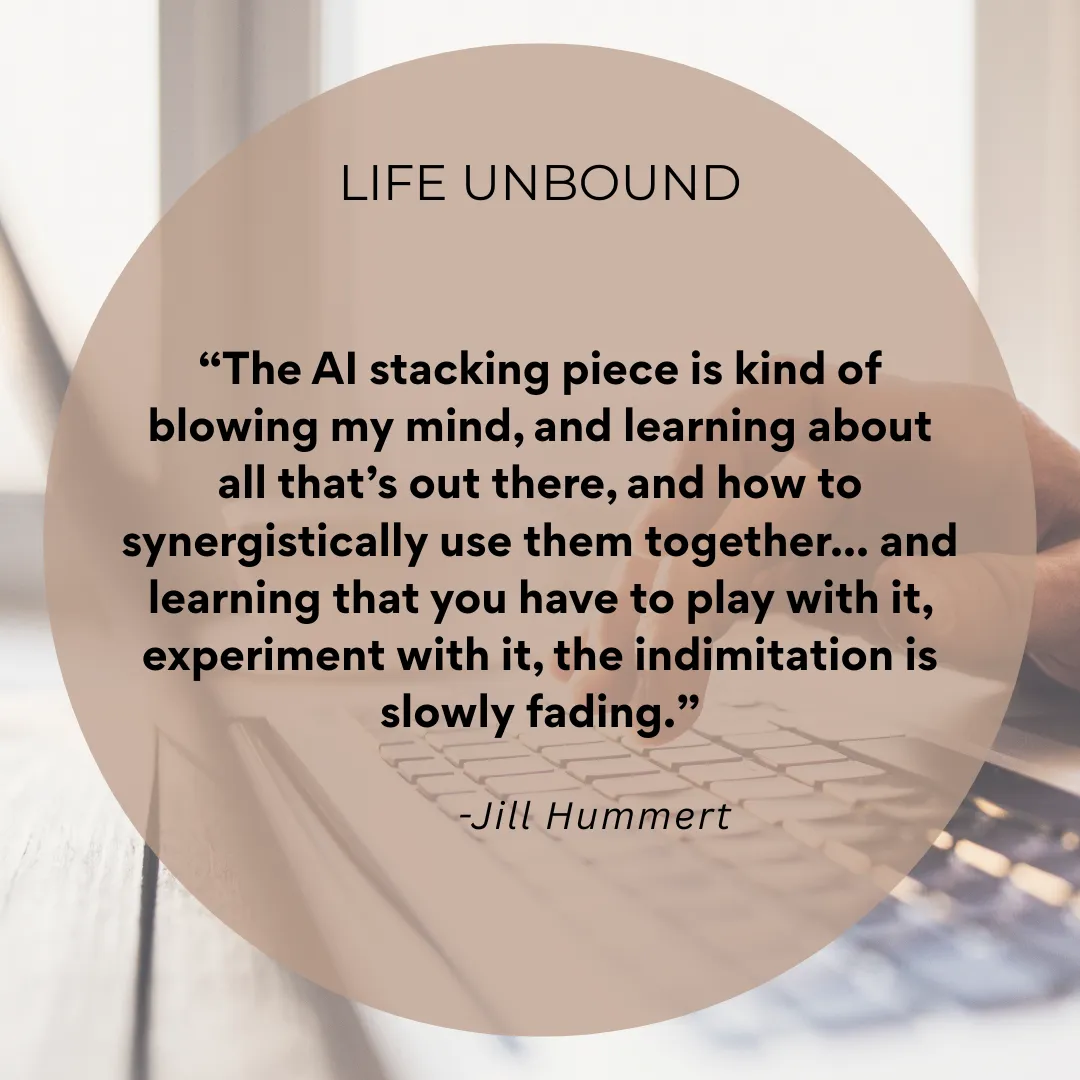
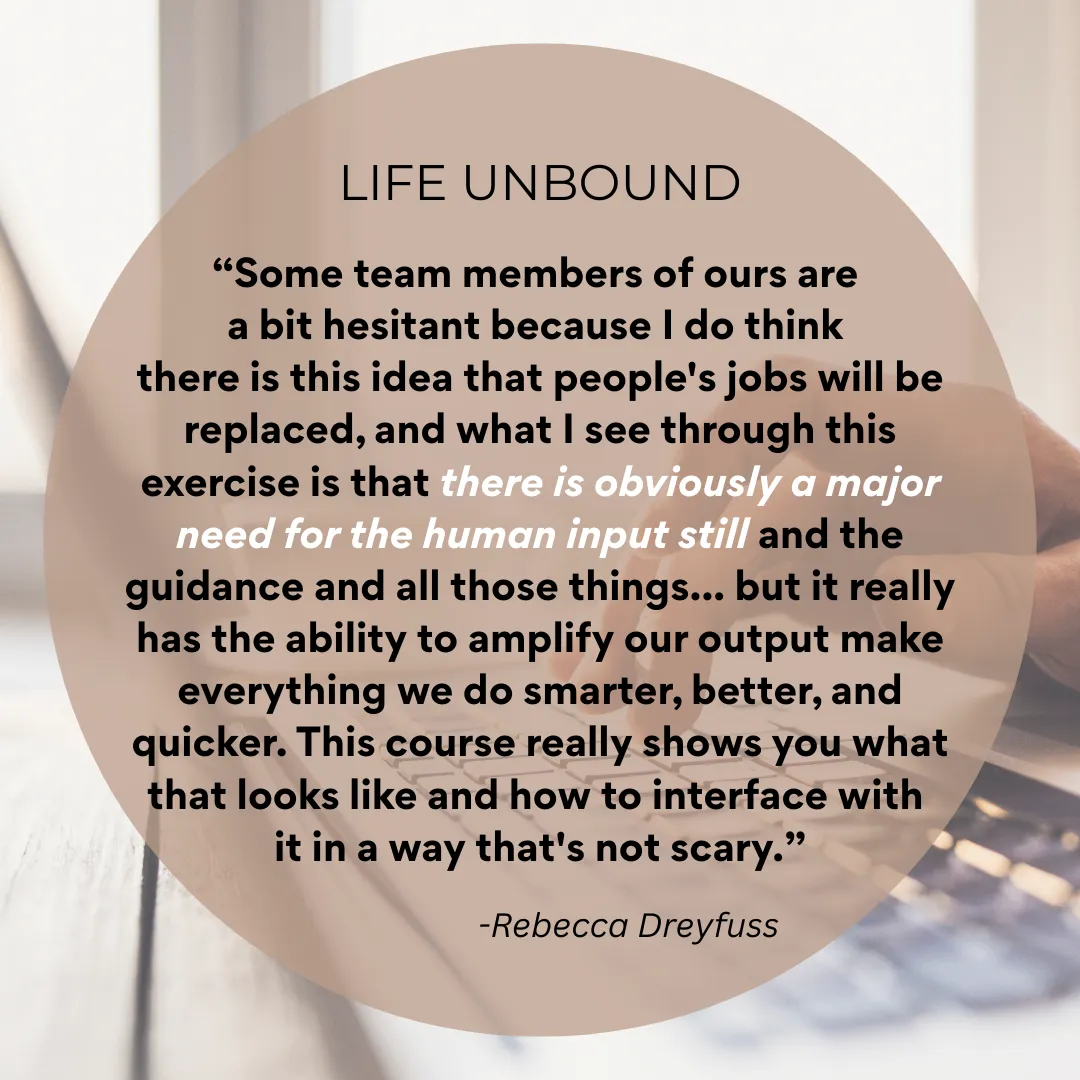
Join a guided experience where you’ll learn to build your own AI toolkit, simplify your workflow, and make AI a supportive part of your life or business.
Just smart strategy, aligned tools, and personal guidance to help you feel capable—not behind.
Ebooks COMING SOON
2025!!
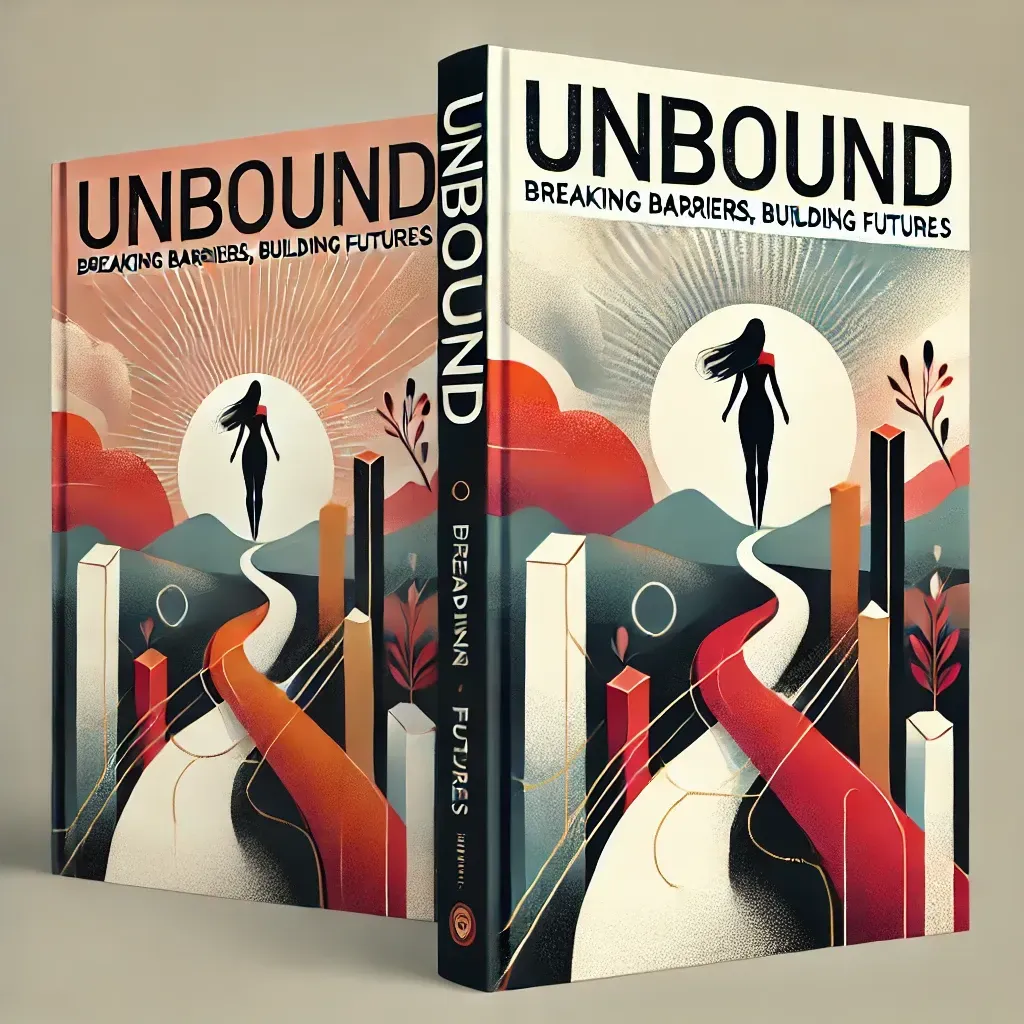
Find Your Authentic Path to Success
In a world where women continue to navigate unique challenges in the workplace, "Unbound" byy Amie Rafter, offers a transformative roadmap for professional advancement on your own terms
This isn't just another career guide—it's a comprehensive companion that blends cutting-edge research with practical wisdom to address the specific obstacles women face, from imposter syndrome to visibility gaps, negotiation challenges to work-life boundaries.
Whether you're launching your career, pushing through the middle management barrier, or aiming for the C-suite, this book provides the tools to transform challenges and live your purpose and potential,
MEET THE FOUNDER & CEO
Amie Rafter
Founder Amie Rafter is a seasoned professional with a diverse background in business, leadership and personal development. She holds an MBA and BS in International Business, spent 24 years in the tech and medical device corporate world and 5 years in non-profit, prior to starting her own business supporting entreprenuers with practical launch strategies. Her combined experience in strategic sales, leadership, along with being a life, career coach, yoga teacher and most importantly, mother, has given her a unique set of tools and capacity to offer holistic support to women.
Amie developed the Unbound model and platform after both experiencing and seeing the challenges women face every day both as entrepreneurs and leaders. She understands that the unique energy and intentions women bring are designed to support the world in the ways we need now and she wants to scale that energy, removing traditional obstacles for her clients and companies.

Blog
AI Literacy Now Includes Power and Water: A Plain-English Guide
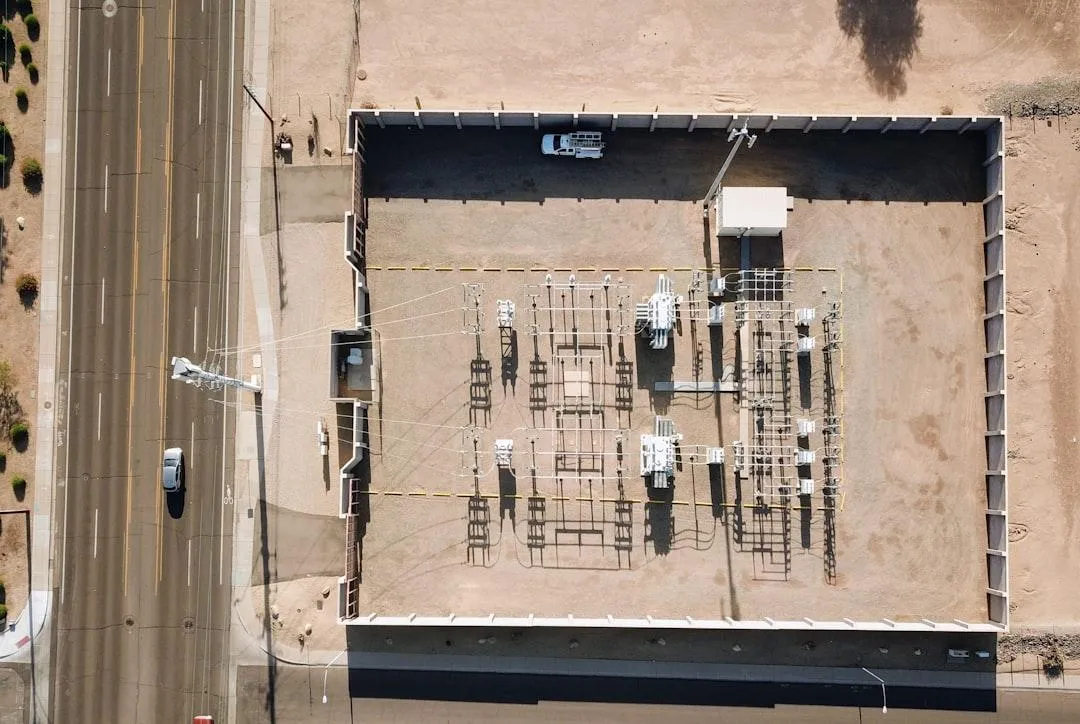
Recently I wrote a blog about AI and water consumption, that was designed to bring context to the conversation for consumers. The media is really good and sharing a story about one company or topic that creates narratives that are myopic but drive divide. When something becomes as ubiquitous as AI, it’s easy to get lost as many people still don’t understand how it works, the infrastructure required, and only hear sound bites of its ‘good or bad.’ Things like the “real-world” costs—power plants, substations, cooling systems, water permits—are abstract, and can be ignored until the media suddenly points out it is reaching our wallets in this case in terms of higher potential energy cost. At that point it becomes political and noisy, but not necessarily better understood.
This is not a new pattern. Plastics, chemicals, fossil fuels, even water itself: the activities of 800-pound-gorilla organizations often feel disconnected from day-to-day life until a crisis forces the connection.
And here’s the tension we need to name: the largest technology companies are not optimizing for “reduced demand.” They are optimizing for growth and doing what they can to make us dependent on these tools—more users, more usage, more compute as they compete in the AI race—while also trying to manage the environmental and community footprint that growth requires.
So today I want to break down, in plain language, where the three hyperscalers—Microsoft, Google, and AWS—stand on energy, water, and site-level environmental impact, and why Microsoft has become the company we love to hate in the current media cycle, even though this is an industry-wide issue.
The three hyperscalers that power most of the cloud
When we talk about “AI’s footprint,” much of it runs through three hyperscalers:
Microsoft (Azure + data center expansion supporting AI)
Google (Google Cloud + the world’s largest information services footprint)
AWS (Amazon Web Services + the largest cloud footprint by market share)
Each has a sustainability strategy. Each faces backlash. But they are being represented differently in the media, especially right now after Microsoft’s recent “Community-First AI Infrastructure” announcement. (The Official Microsoft Blog)
The simple framework: energy, water, and the “social license” to operate
For the average person, the conversation becomes clearer when we sort everything into three buckets:
1) Energy: “How much power does AI need, and where does it come from?”
Data centers run 24/7. AI increases the load. Communities feel it through grid upgrades and potentially electricity rates—and that’s now a major political storyline. (The Washington Post)
2) Water: “How do they cool all that heat?”
Cooling can use water directly (especially evaporative cooling), and water stress is regional—meaning the same design can be controversial in one place and acceptable in another.
3) Local impact: “Who pays, who benefits, and who bears the risk?”
This is the “social license” layer: land use, noise, truck traffic, tax incentives, transparency, and whether residents feel like they’re subsidizing corporate growth.
Where they stand: side-by-side, in plain English
Microsoft: “We’ll pay our way” + “zero-water cooling” (for new designs)
Microsoft is currently the most visible hyperscaler in the backlash cycle because it responded directly to the hottest public fear: “Will my electricity bill go up because of AI data centers?”
On January 13, 2026, Microsoft announced a “Community-First AI Infrastructure” plan, pledging support for utility rate structures that ensure very large customers cover the full costs of power and infrastructure, and also committing to not pursuing local property tax breaks. (The Official Microsoft Blog)
On water, Microsoft has been emphasizing a design pivot: beginning in August 2024, it launched a next-generation data center design that “consumes zero water for cooling” (through chip-level/closed-loop cooling rather than evaporating water). (Microsoft)
How this shows up in media: it’s a clean, headline-friendly narrative: “Microsoft says it won’t raise your electric bill” + “zero-water cooling.” (WIRED)
Google: “24/7 carbon-free energy” + “replenish 120% of water used”
Google’s signature differentiator is its 24/7 carbon-free energy by 2030 goal—meaning it aims to match electricity use with carbon-free sources hour by hour, not just on an annual accounting basis. (Sustainability)
On water, Google’s stated goal is to replenish 120% of the freshwater volume it consumes (offices + data centers) by 2030, with a portfolio of watershed and ecosystem projects in the regions where it operates. (Sustainability)
How this shows up in media: Google tends to be framed as the company with ambitious “systems-level” goals (24/7 CFE, portfolio replenishment). That can read as leadership—or it can read as abstraction—depending on whether a local community feels immediate water or land-use pressure.
AWS: “Match 100% renewable electricity” + “water positive” + publish WUE
AWS’s sustainability posture is often the most “metrics-first.” On electricity, Amazon reports it matched 100% of the electricity consumed across operations (including data centers) with renewable energy in 2023, reaching its goal early. (Amazon News)
On water, AWS states it will be water positive by 2030, returning more water to communities than it uses in direct operations. It also publishes WUE (Water Use Effectiveness) and reports improvements over time (Amazon notes an average global AWS WUE and progress toward water positivity). (Amazon Sustainability)
How this shows up in media: AWS is often covered through scale (“the biggest cloud”), standardized metrics (WUE), and project portfolios—less through a single “moment” announcement like Microsoft’s January 2026 plan.
Why Microsoft is the “company we love to hate” right now
This is the important nuance: Microsoft isn’t the only hyperscaler facing backlash. It’s just the one currently center-stage.
Here are the drivers:
1) Microsoft created a focal point with a single, specific, consumer-relevant promise
“Your electric bill won’t go up because of us” is a sharper media hook than “we’re improving our carbon-free matching.” Microsoft’s plan was framed explicitly around local rate impacts, which is the political pressure point of the moment. (WIRED)
2) The backlash narrative is currently about cost shifting and fairness
When communities hear “new substations,” “grid upgrades,” “tax incentives,” and “few permanent jobs,” they ask: Who benefits? Who pays? Microsoft answered that question publicly, and journalists followed the thread. (AP News)
3) Microsoft is symbolically tied to the AI boom in the public imagination
Whether or not it’s technically precise, the public and policymakers often link Microsoft with “AI acceleration,” so Microsoft becomes a proxy target for a broader set of anxieties. Recent coverage explicitly situates Microsoft’s plan as a response to nationwide opposition. (The Washington Post)
4) Media momentum is path-dependent
Once a storyline hardens (electric bills + local backlash + Microsoft response), it becomes self-reinforcing. That doesn’t mean Google and AWS aren’t implicated; it means Microsoft is the current “main character” in the national narrative. (The Washington Post)
The bigger point: AI’s footprint is growing globally, period
Even if Microsoft were perfect tomorrow, the underlying issue remains:
AI demand drives data center growth.
Data centers require power, cooling, land, and permitting.
Communities want transparency and fair cost allocation.
Companies want growth.
So the consumer question becomes: How do we stay empowered without pretending our usage has no impact?
What an average person needs to know to participate in this conversation
Here are five consumer-level anchors—simple enough to remember, strong enough to demand accountability:
1) “Energy is the limiter.”
AI isn’t limited by ideas; it’s limited by electricity and hardware capacity. When you read about new data centers, translate that as “new power demand,” and ask: what’s the plan for clean, additional power? (The Washington Post)
2) Water is local.
Water impact depends on where the data center is and how it cools. “Water positive” and “replenishment” can be real, but the community still experiences the immediate reality of local water stress.
3) “Net positive” claims require receipts.
Replenishment and offsets can help, but they’re not the same as minimizing local withdrawals. Ask for:
site-level disclosure where feasible,
WUE trends,
and clear boundaries: direct water vs indirect water for electricity.
(AWS explicitly reports WUE and water positivity progress; Google publishes portfolio reporting; Microsoft is emphasizing design-level cooling change.) (Amazon Sustainability)
4) Cost shifting is the real political fight.
If utilities build grid upgrades and spread the costs broadly, residents feel it. Microsoft’s plan exists because this became a national flashpoint. (AP News)
5) “Conscious use” matters—even if it’s not the whole answer.
Personal behavior won’t solve systemic infrastructure issues, but it does shape demand. Conscious use is about:
using AI where it meaningfully improves outcomes,
avoiding compulsive/automated overuse,
and staying aware of its impacts on attention, relationships, and well-being—not just the planet.
Where Hbird fits: AI empowerment without the “more is always better” mindset
At Hbird, we train people on AI as a point of empowerment—not as a mandate for excessive usage. The goal is conscious usage that helps businesses and organizations grow in ways that serve communities, without outsourcing our judgment, our attention, or our values.
That means we can hold two truths at once:
AI can be profoundly useful.
AI has real environmental and community costs that must be governed responsibly.
If we want “responsible AI” to be more than a slogan, the consumer and the citizen both need basic literacy in energy, water, and local impact—and the confidence to demand transparency.
Closing: the question I’m holding now
When a tool becomes as normal as search, email, or social media, we stop seeing the infrastructure behind it. My aim is not to fear AI or shame its users. It’s to shrink the gap between what we do every day and what it costs the world—so we can make better choices, and so we can ask better questions of the companies building our future.
If you want a starting point, try this one question the next time you see a “new data center” headline:
Who pays, who benefits, and what does the community get in return—on energy, on water, and on transparency?
See more from Hbird at hbirdco.com/blog or schedule a consult with us at hbirdco.com

Key Collaborators


Unbound is a sub brand of Hbird Consulting LLC
Looking to start a business or accelerate an existing one? Hbird Consulting offers Vision to Launch coaching and business development support. Check us out at hbirdco.com
Trusted By
Amie's support is personally and professionally empowering. Her services helped me overcome challenges and limiting blocks, moving forward with confidence and clarity in my work and life."

Samantha Berwick
Founder at Embodied Arts Healing
Business Consulting
The Unbound program gave me the frame work I needed to rapidly evolove and transform into the leader and change-maker I came here to be. The program helped me find a balance beteen structure and flow and allowed me the courage
to lean on my network more than ever.

Tracy Tarlow
Founder at Springboard Connectivity
Non-Profit