
UNBOUND
BREAKING BARRIERS,
BUILDING FUTURES
Grow your career. Empowered by AI. Rooted in Wellbeing
We offer education and resources to help women and organizations
navigate emerging tech and build meaningful
success — without trading health, connection, or purpose.
UNBOUND
BREAKING BARRIERS,
BUILDING FUTURES
Grow your career. Empowered by AI.
Rooted in Wellbeing.
We offer education and resources to help women and organizations navigate emerging tech and build meaningful success — without trading health, connection, or purpose.
What We Offer
SElf-paced Courses and Resources

Assessments, Tools, Blog, Courses and Ebooks! See below
Live virtual
AI courses

Click Below to Sign up for our Next Course!
Custom trainings For your teams

Schedule a Meeting to Review your Specific Needs!
Whats Your #1 Career Growth Challenge?
Take Your FREE Assessment Here to see whats holding you back and what you can do about it!
Features and Benefits
NAVIGATE THE AI LANDSCAPE
Navigate digital transformation and AI to advance rather than hinder your career
FIND YOUR VOICE
Discover your authentic leadership voice and build unshakable confidence
BUILD YOUR BRAND
Develop a compelling personal brand that opens doors to new opportunities
NEGOTIATE LIKE A PRO
Master the art of strategic self-advocacy without compromising your values
BOUNDARY MANAGEMENT
Create boundaries that protect your energy while enhancing your impact
VALUE ALIGNED SUCCESS
Define success on your own terms, creating a path aligned with your deepest values
build your network
How to develop the relationships that amplify your voice, expand your opportunities, and accelerate your impact.
leadership presence
How to embody your authentic authority in ways that create meaningful impact while remaining true to your core values and identity.
work life balance
Learn to manage your energy, aligned with your values and purpose to build a life in balance
Upcoming Courses
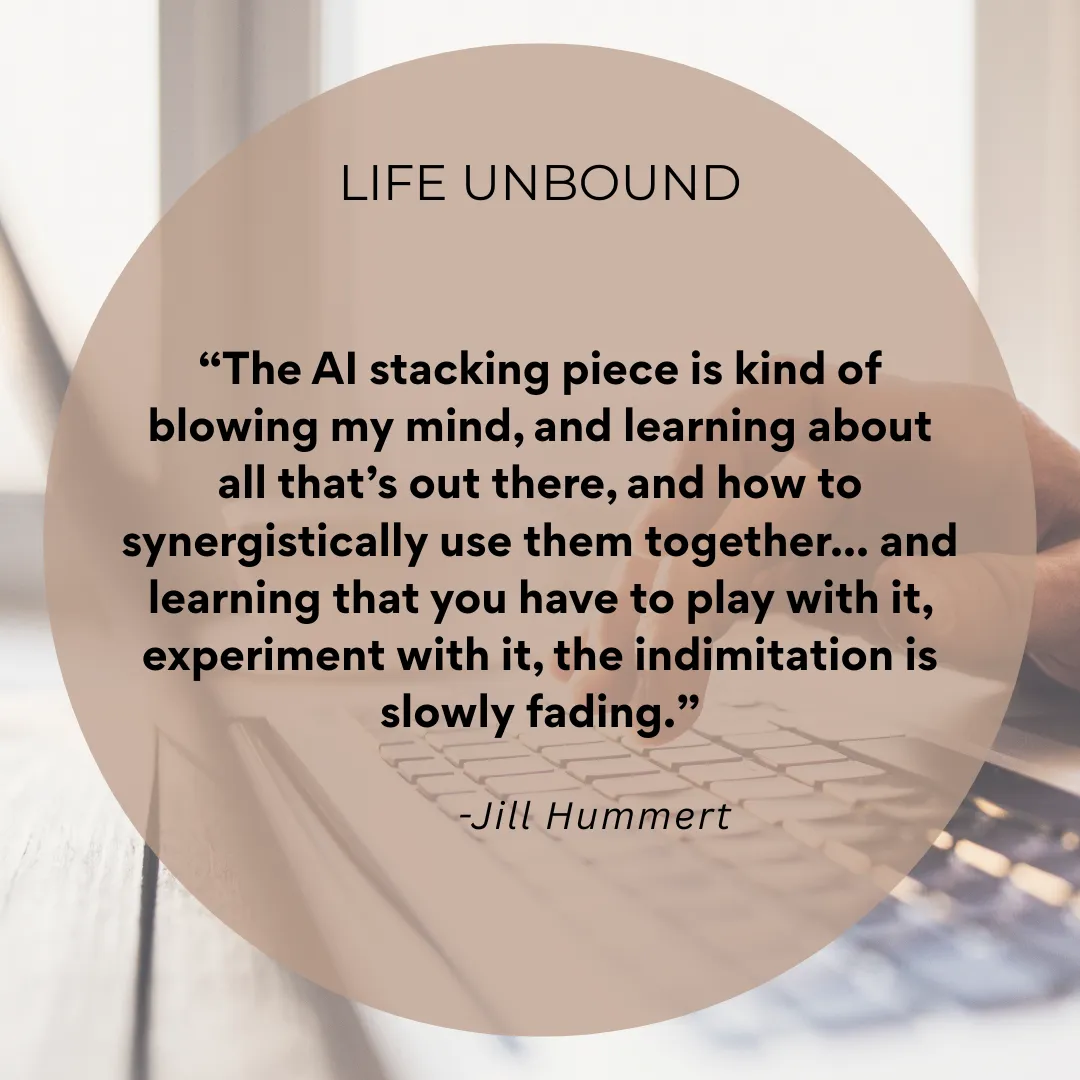
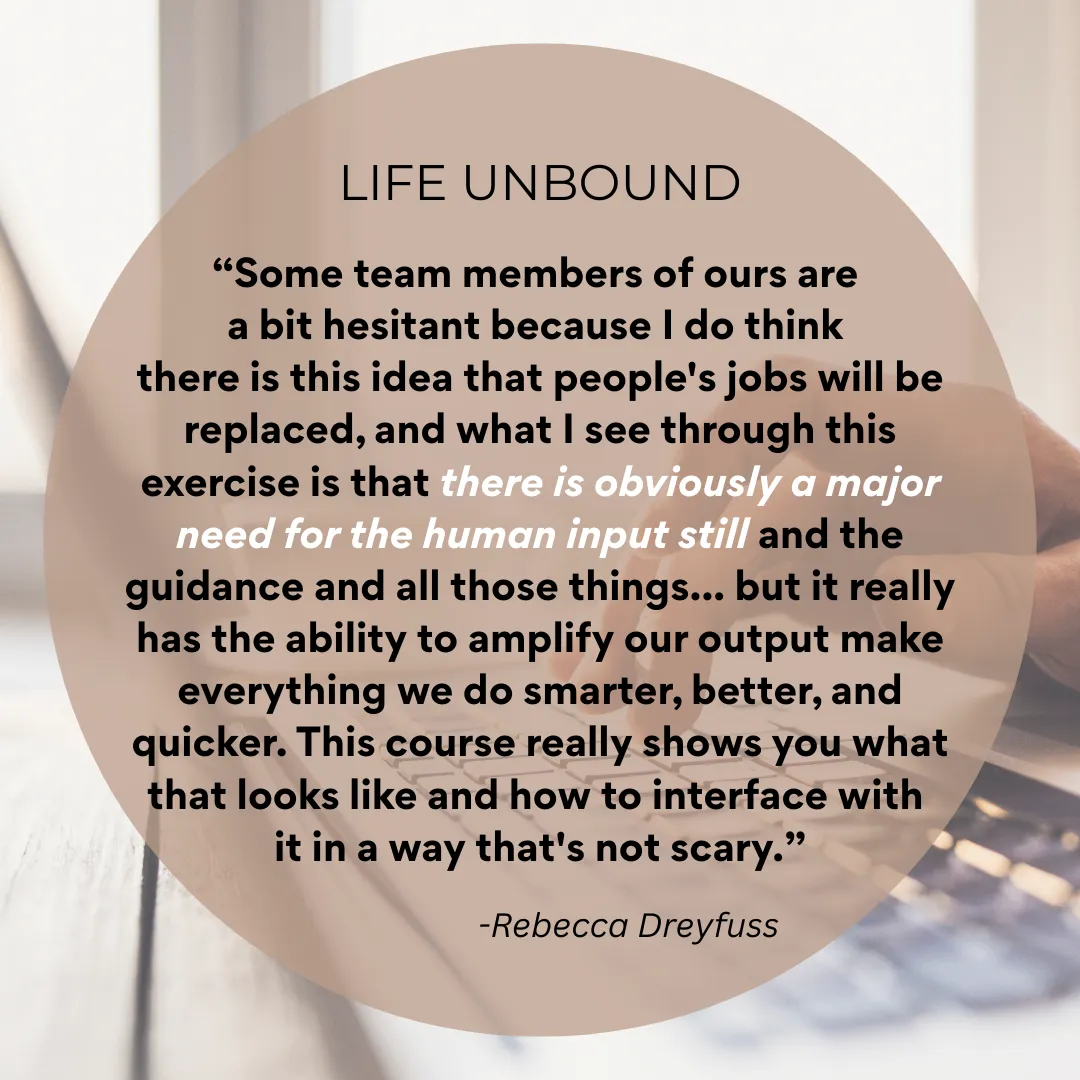
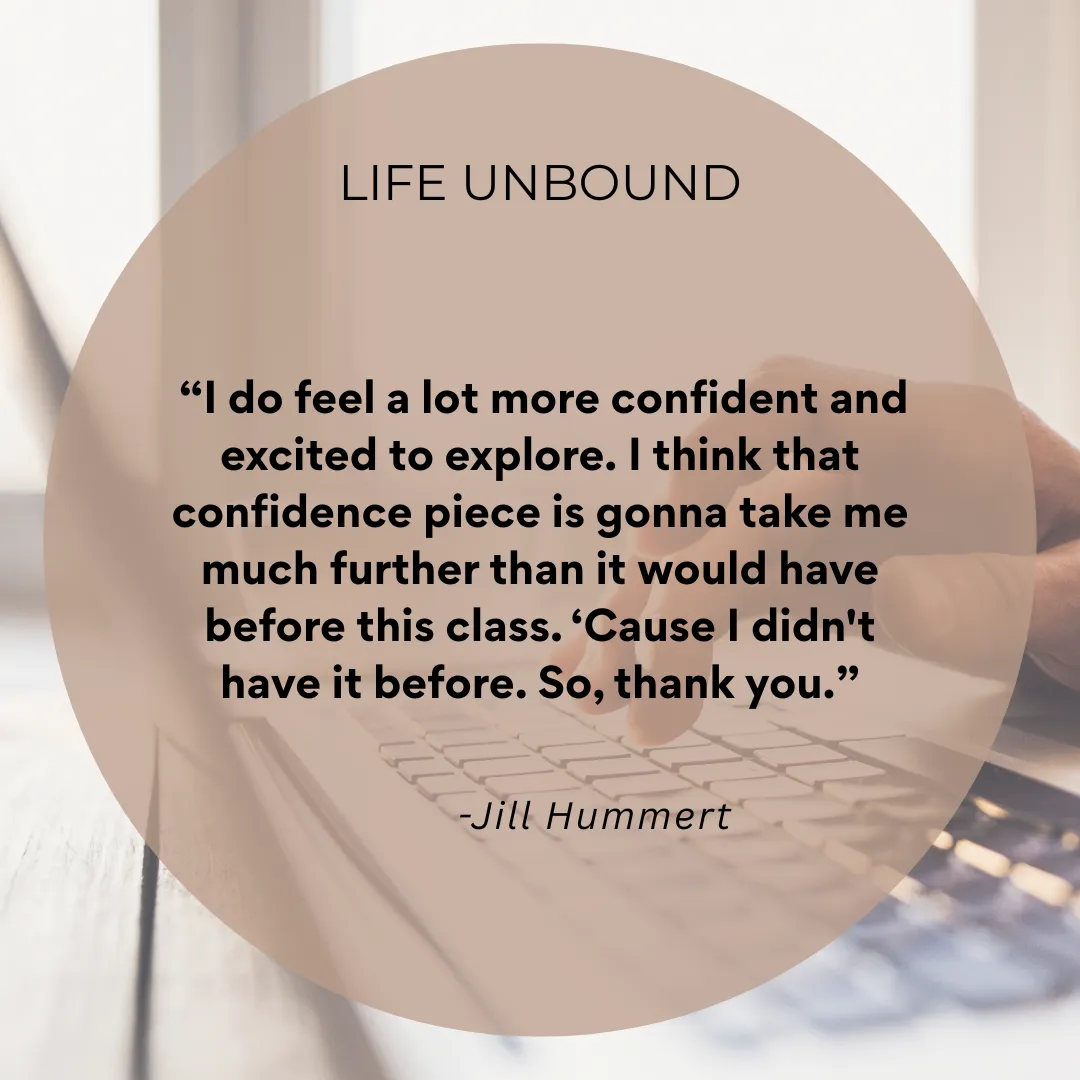
The AI Leverage Foundation
August 2025
Are you ready to unlock your AI skills?
Join a guided experience where you’ll learn to build your own AI toolkit, simplify your workflow, and make AI a supportive part of your life or business.
Just smart strategy, aligned tools, and personal guidance to help you feel capable—not behind.
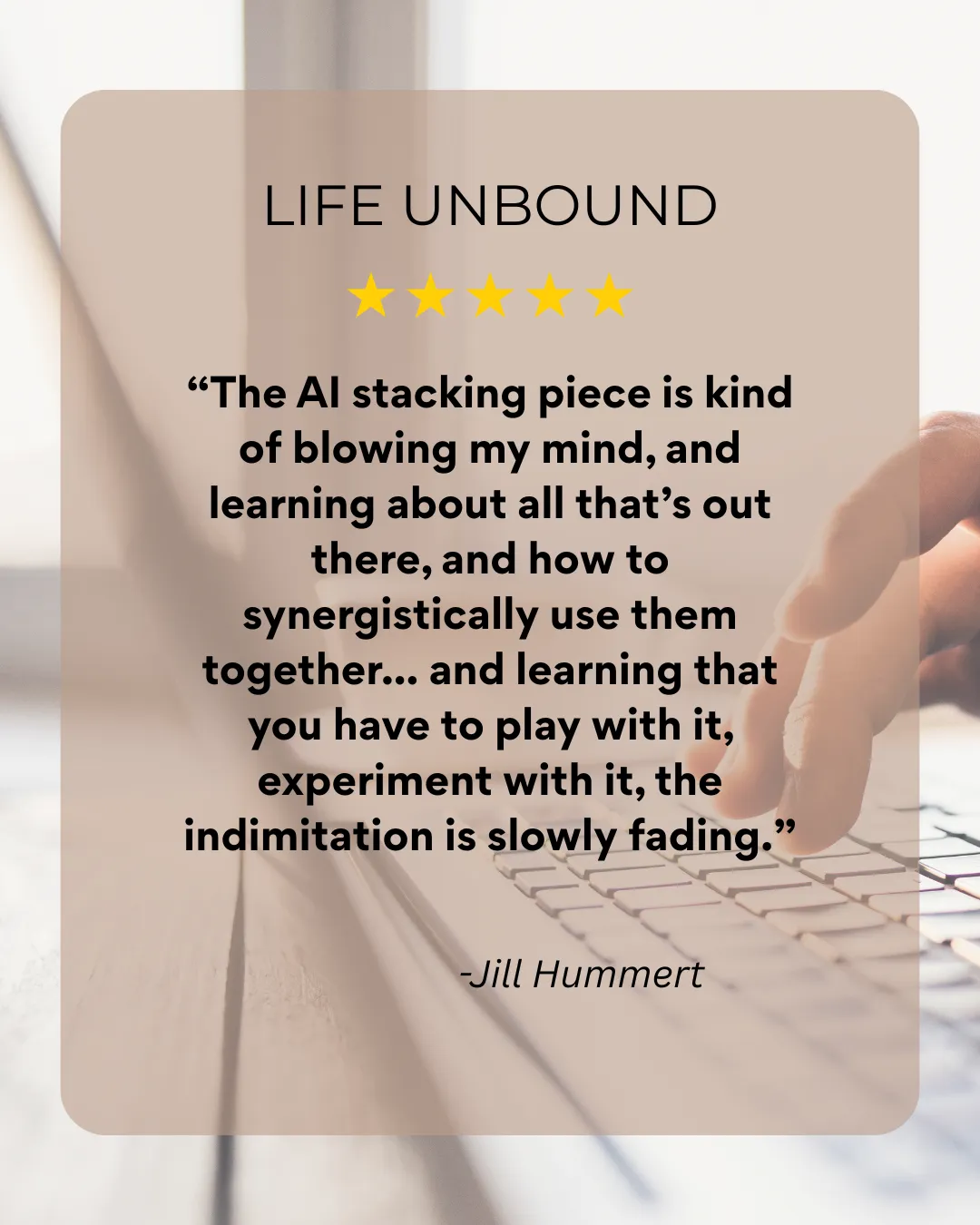
Ebooks COMING SOON
2025!!
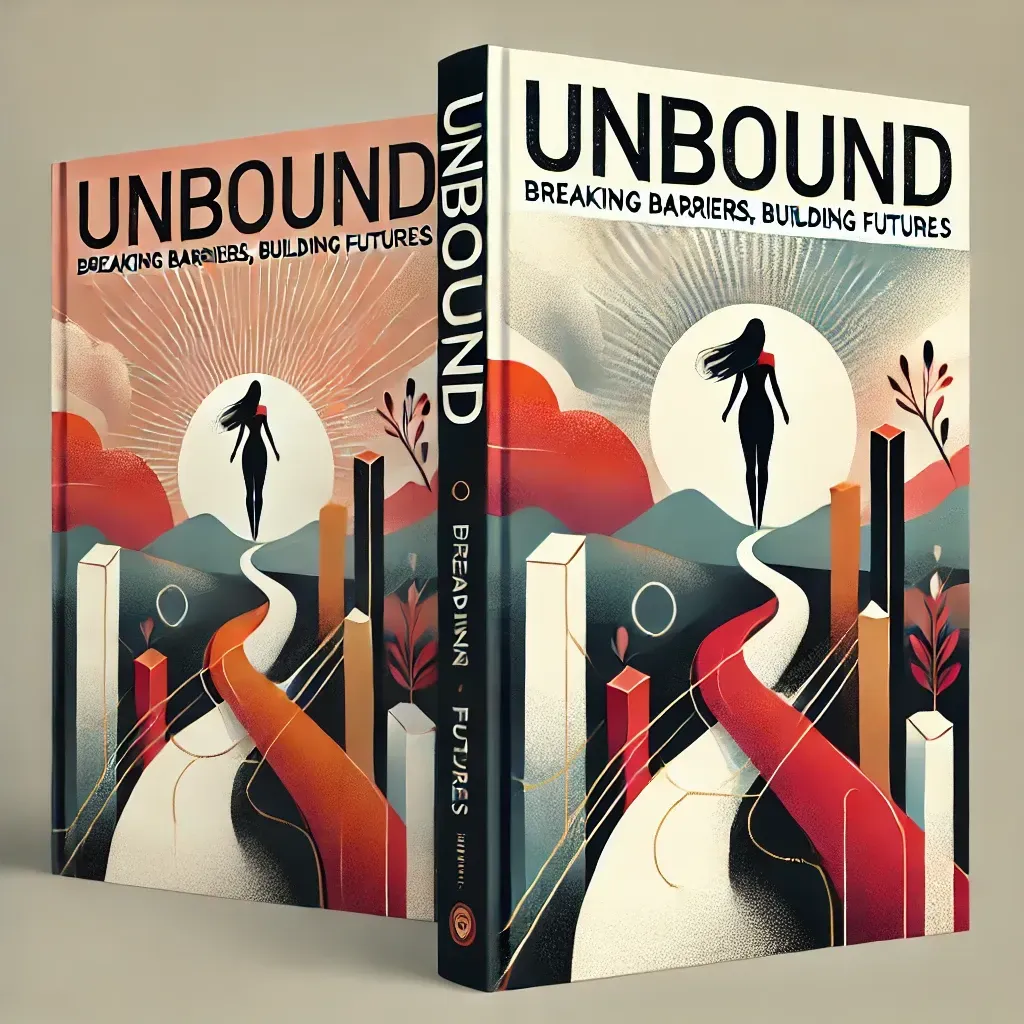
Find Your Authentic Path to Success
In a world where women continue to navigate unique challenges in the workplace, "Unbound" byy Amie Rafter, offers a transformative roadmap for professional advancement on your own terms
This isn't just another career guide—it's a comprehensive companion that blends cutting-edge research with practical wisdom to address the specific obstacles women face, from imposter syndrome to visibility gaps, negotiation challenges to work-life boundaries.
Whether you're launching your career, pushing through the middle management barrier, or aiming for the C-suite, this book provides the tools to transform challenges and live your purpose and potential,
MEET THE FOUNDER & CEO
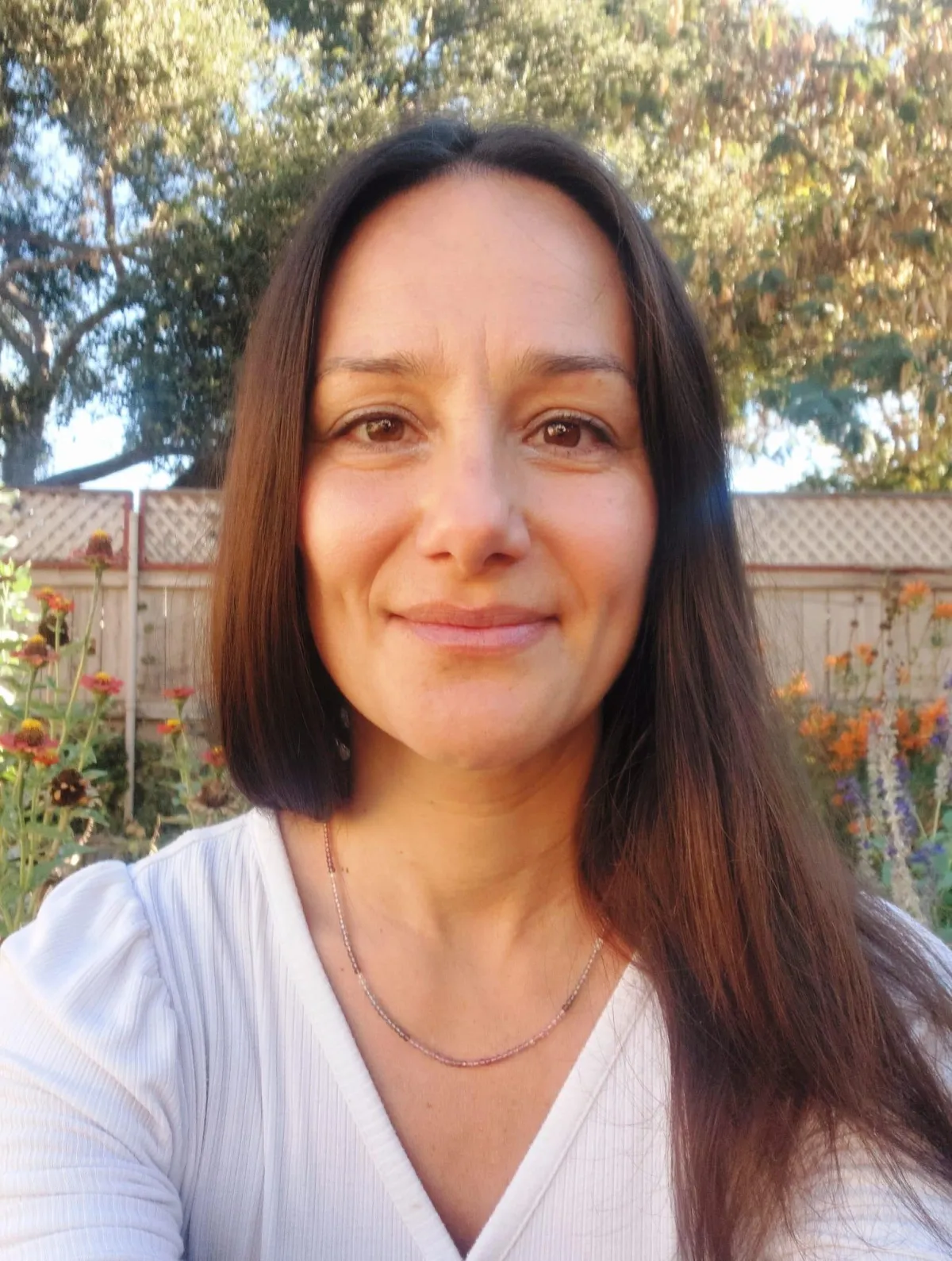
Amie Rafter
Founder Amie Rafter is a seasoned professional with a diverse background in business, leadership and personal development. She holds an MBA and BS in International Business, spent 24 years in the tech and medical device corporate world and 5 years in non-profit, prior to starting her own business supporting entreprenuers with practical launch strategies. Her combined experience in strategic sales, leadership, along with being a life, career coach, yoga teacher and most importantly, mother, has given her a unique set of tools and capacity to offer holistic support to women.
Amie developed the Unbound model and platform after both experiencing and seeing the challenges women face every day both as entrepreneurs and leaders. She understands that the unique energy and intentions women bring are designed to support the world in the ways we need now and she wants to scale that energy, removing traditional obstacles for her clients and companies.

Blog
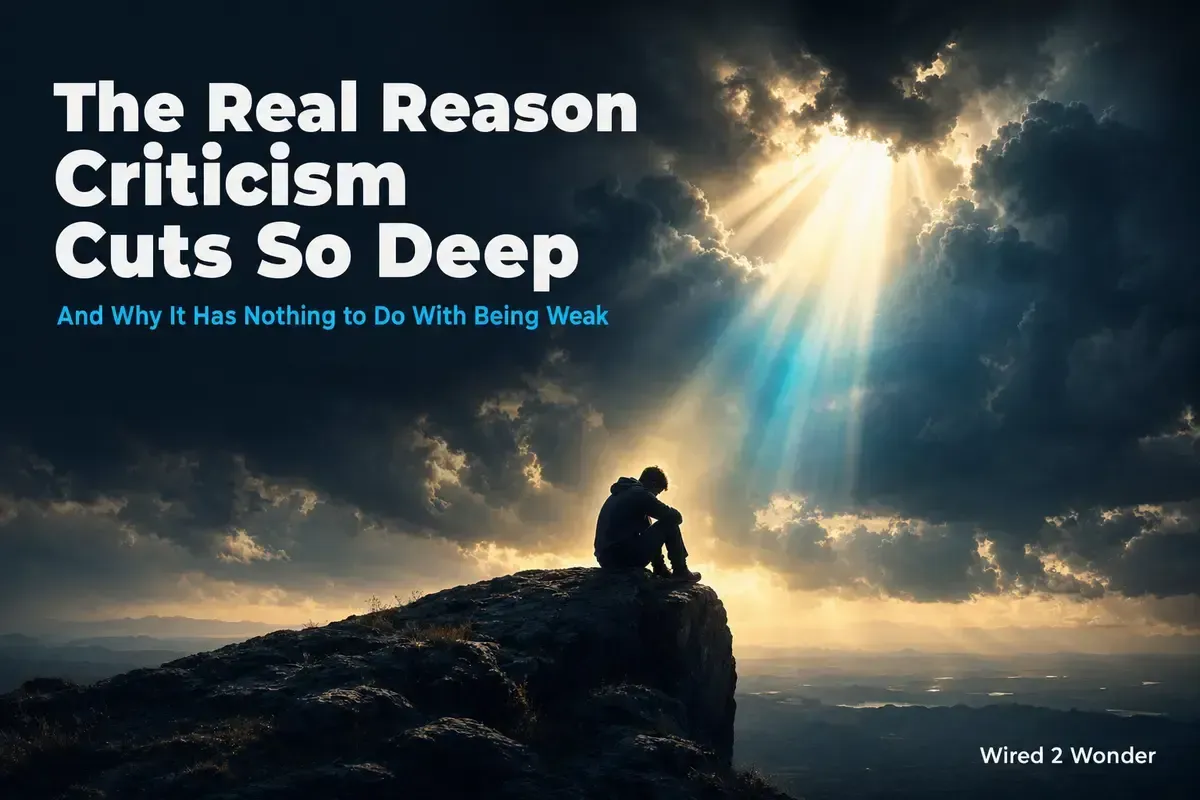
The Real Reason Criticism Cuts So Deep (And Why It Has Nothing to Do With Being Weak)
This is Part 1 of the ADHD Struggle Series — honest conversations about the hardest parts of ADHD, grounded in faith and backed by science.
You sent her a message and didn’t hear back. Your boss gives you constructive criticism in your one-on-one meeting. A friend cancels plans at the last minute with no explanation.
For most people, these are minor inconveniences. For you, not so much. Your chest tightens. Your breath becomes shallow. A barrage of thoughts flies at you. And the spiral starts. It doesn’t take long before you’re convinced your relationship is over, your work is worthless, and no one wants to be around you.
Why Rejection Hits Different for You — And Why Nobody's Talking About It
You’ve probably been told you’re too sensitive.Too emotional. Too reactive. So on top of the hurt from rejection, you carry the shame of how much it hurts — which makes it even more painful and confusing.
You’ve tried to be strong. You've tried to think your way out of the spiral. You’ve apologized for your reactions, closed your mouth to avoid conflict, or even withdrawn from friendships just to avoid the possibility of rejection.
None of it has worked. And that’s because none of it addressed what was actually happening.
There's a Name for What You're Experiencing
Here’s what’s actually going on: you’re not too sensitive. You have ADHD — and a large percentage of adults with ADHD experience something called Rejection Sensitive Dysphoria, or RSD. It’s an intense, almost immediate emotional response to real or perceived rejection, criticism, or failure — and it’s neurological.
The cost of RSD isn’t just emotional. It can affect every area of your life: who you reach out to, how often you reach out to them, what opportunities you pursue, how honest you are at work, and how close you let people get to you. You start shrinking your world to reduce the potential for rejection. You might call it “being careful” or “selective,” but it could very well be that your nervous system and fears are running the show.
The same brain circuits that make your emotional responses heightened make rejection feel more intense. This isn’t a character flaw. It isn’t immaturity. It isn’t something you should be able to just push through. It's your brain responding exactly the way ADHD brains respond.
The Double Wound: Why RSD Doesn't Just Hurt, It Compounds
RSD doesn’t work in isolation. It has a partner: shame. The first hurt is the rejection itself. The second hurt is the self-attack that follows from reacting so strongly.
Why am I like this? Why can’t I just let it go? Normal people don’t fall apart over a text message or a meeting with their boss.
That second wound is what the research calls a dysregulated coping strategy. Instead of processing the rejection and shame in an attempt to work through them, the ADHD brain has a tendency to stuff those things down. This extends the emotional distress. Eventually, the shame moves underground and runs quietly in the background until the next rejection trigger brings it back to the surface.
This is what most ADHDers miss. It’s not just that rejection hurts more — it’s that the response to the rejection creates a loop that’s hard to break.
What Changes When You Understand What You're Actually Dealing With
I’ve known a few high-achieving professionals with ADHD who have been told they were “too sensitive,” and they were convinced it was a character issue. Once they understood RSD as a neurological reality, something shifted inside them. They stopped wasting energy trying to dull their emotions and started using tools that helped them respond better. It’s not about becoming less sensitive (that sensitivity is a strength when harnessed). It’s about not allowing the sensitivity to control you. That’s the difference. And it all starts with an awareness of RSD.
A Few Places to Interrupt the Spiral
You won’t conquer RSD overnight. But you can start taking steps to regain control over your responses.
Here are a few good places to start:
Name it so it doesn't name you. The moment you feel the intensity of a real or perceived rejection, say this out loud or in your head: “This is RSD. This is my brain, not reality.” Naming the experience creates just enough distance to give you some objectivity.
Find the most likely explanation. When someone doesn’t reply, fails to acknowledge you, or gives critical feedback, your brain will automatically generate the worst interpretation. Build a new habit of asking this question: What is the most likely, most boring, most neutral explanation for this? The more you do this, the more you train yourself to go there first.
Anchor to what is unchangeable. This is where faith does something neuroscience can’t. Romans 8:38-39 is not a cliché; it is God’s truth. If your worth was determined by another’s response, you would be at the mercy of people for the rest of your life. The Gospel says your worth has been settled by God Himself. That truth may not immediately eliminate the pain of rejection, but it changes what the rejection means and has the power to pull you out of your shame spiral.
Process the experience. This keeps you from suppressing the hurt and shame and helps you move through it. Take a short walk, journal, pray, or call someone safe.
Get help for the deeper work. These tools help. But if RSD has been running your life for years, you may need more than tools. You might need someone in your corner who understands both the neuroscience and the stakes.
You Don't Have to Keep Managing This Alone
Maybe you recognized yourself in this post. Maybe you’ve been quietly letting the fear of rejection shape your life without understanding why. This is exactly what coaching is built for. Not to make you feel less than, but to help you learn to prevent your feelings from running your life.
[Book a free discovery call →] Let’s talk about what it would look like to get ahead of the spiral.
Next in the series: Why “just try harder” is the worst advice anyone ever gave an ADHD brain — and what actually works instead.

Key Collaborators

Unbound is a sub brand of Hbird Consulting LLC
Looking to start a business or accelerate an existing one? Hbird Consulting offers Vision to Launch coaching and business development support. Check us out at hbirdco.com
Trusted By
Amie's support is personally and professionally empowering. Her services helped me overcome challenges and limiting blocks, moving forward with confidence and clarity in my work and life."

Samantha Berwick
Founder at Embodied Arts Healing
Business Consulting
The Unbound program gave me the frame work I needed to rapidly evolove and transform into the leader and change-maker I came here to be. The program helped me find a balance beteen structure and flow and allowed me the courage
to lean on my network more than ever.
Tracy Tarlow
Founder at Springboard Connectivity
Non-Profit