
UNBOUND
BREAKING BARRIERS,
BUILDING FUTURES
Grow your career. Empowered by AI. Rooted in Wellbeing
We offer education and resources to help women and organizations
navigate emerging tech and build meaningful
success — without trading health, connection, or purpose.
UNBOUND
BREAKING BARRIERS,
BUILDING FUTURES
Grow your career. Empowered by AI.
Rooted in Wellbeing.
We offer education and resources to help women and organizations navigate emerging tech and build meaningful success — without trading health, connection, or purpose.
What We Offer
SElf-paced Courses and Resources

Assessments, Tools, Blog, Courses and Ebooks! See below
Live virtual
AI courses

Click Below to Sign up for our Next Course!
Custom trainings For your teams

Schedule a Meeting to Review your Specific Needs!
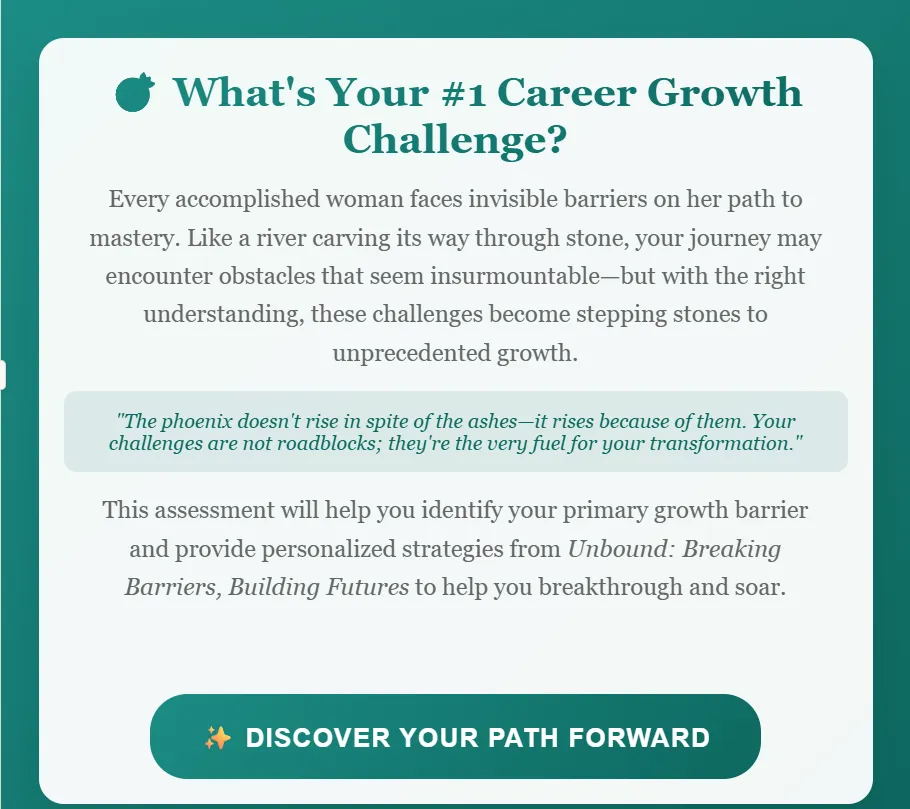
Whats Your #1 Career Growth Challenge?
Take Your FREE Assessment Here to see whats holding you back and what you can do about it!
Features and Benefits
NAVIGATE THE AI LANDSCAPE
Navigate digital transformation and AI to advance rather than hinder your career
FIND YOUR VOICE
Discover your authentic leadership voice and build unshakable confidence
BUILD YOUR BRAND
Develop a compelling personal brand that opens doors to new opportunities
NEGOTIATE LIKE A PRO
Master the art of strategic self-advocacy without compromising your values
BOUNDARY MANAGEMENT
Create boundaries that protect your energy while enhancing your impact
VALUE ALIGNED SUCCESS
Define success on your own terms, creating a path aligned with your deepest values
build your network
How to develop the relationships that amplify your voice, expand your opportunities, and accelerate your impact.
leadership presence
How to embody your authentic authority in ways that create meaningful impact while remaining true to your core values and identity.
work life balance
Learn to manage your energy, aligned with your values and purpose to build a life in balance
Upcoming Courses
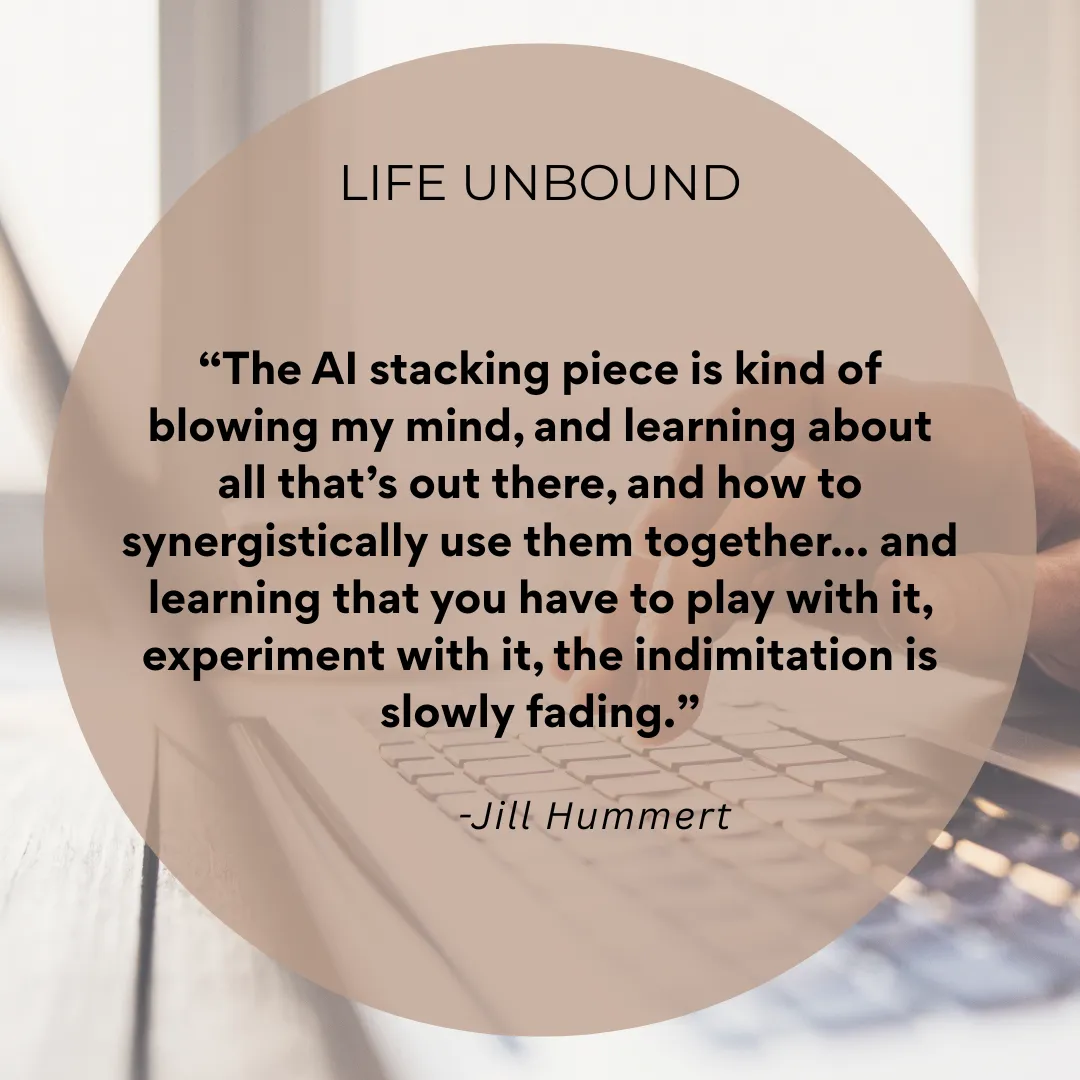
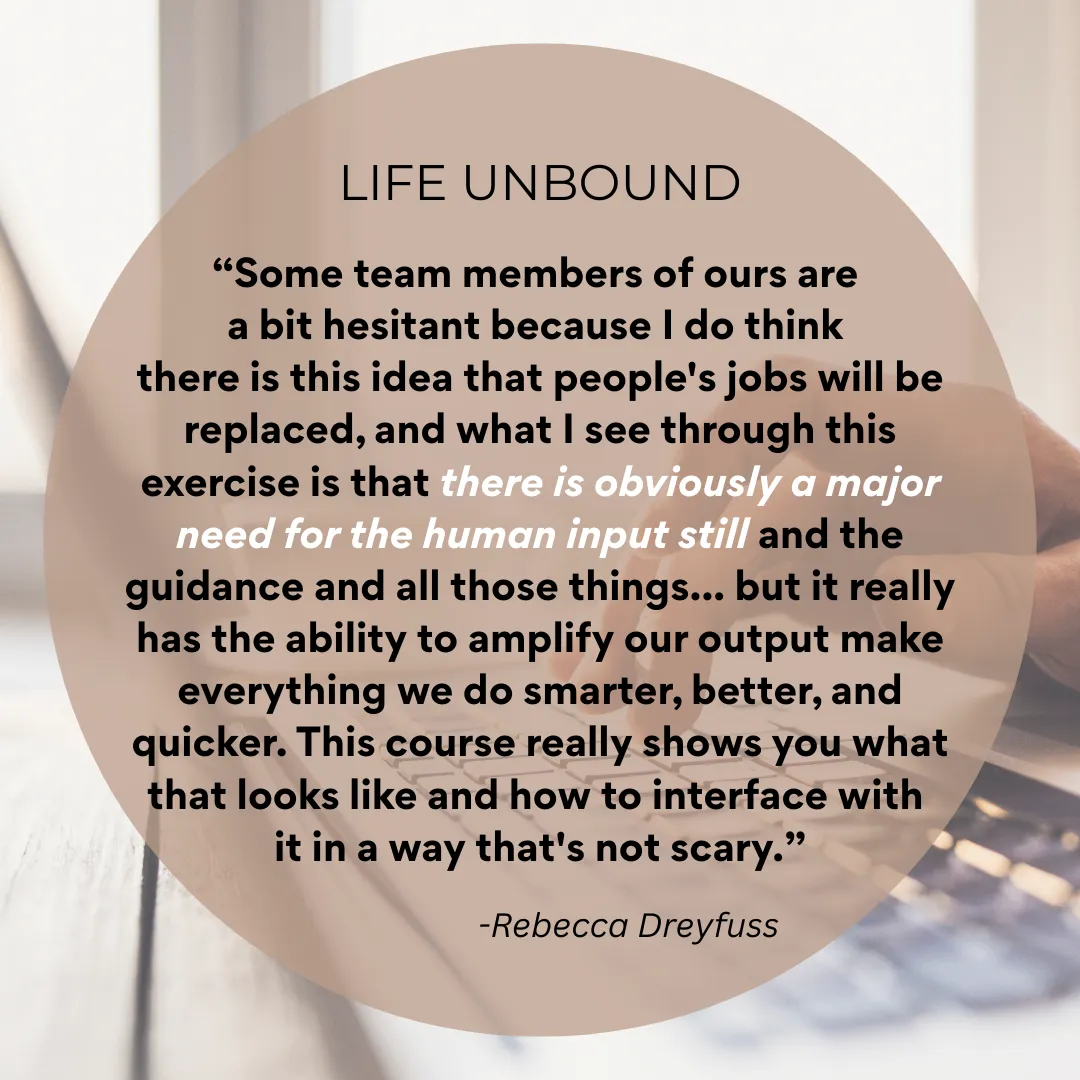
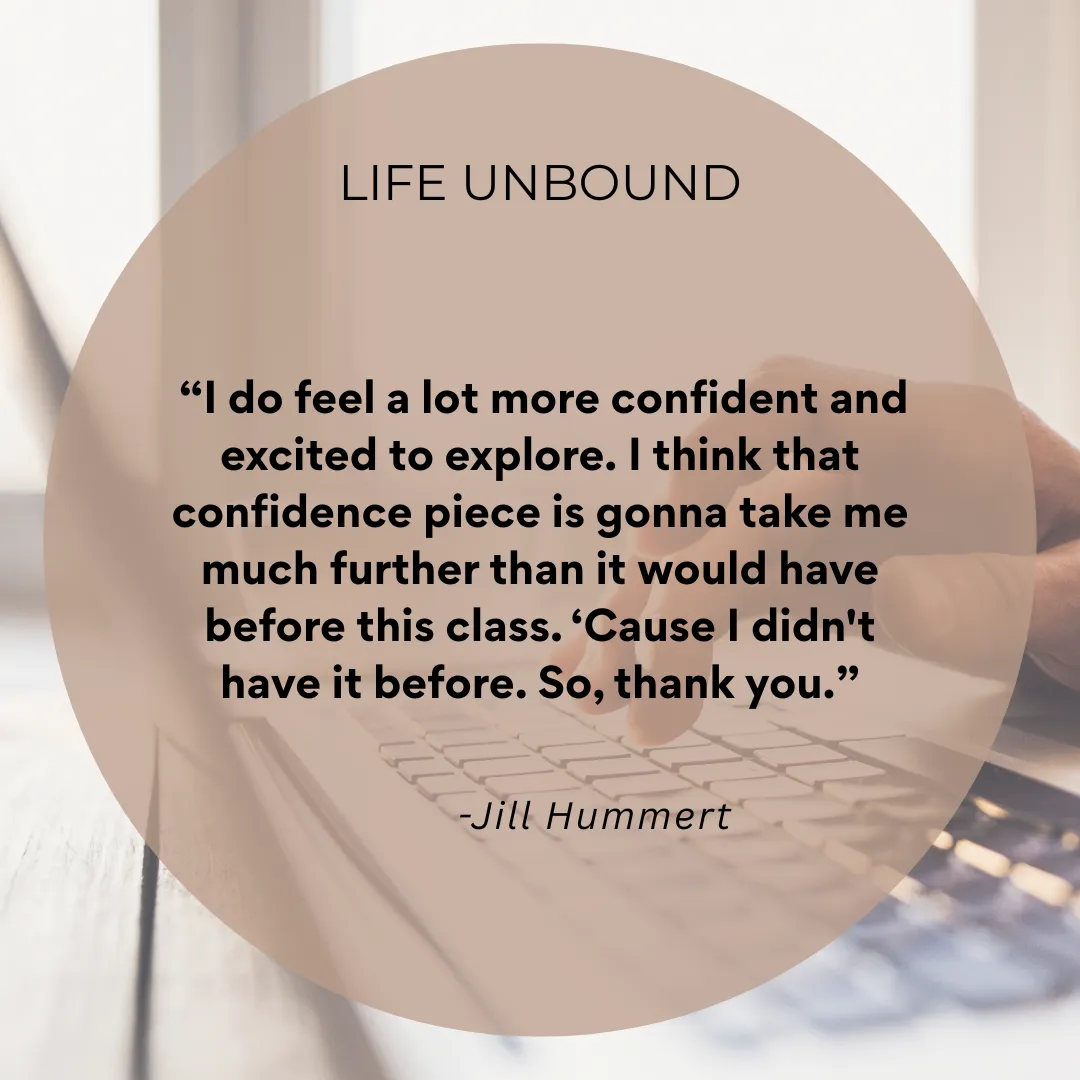
The AI Leverage Foundation
August 2025
Are you ready to unlock your AI skills?
Join a guided experience where you’ll learn to build your own AI toolkit, simplify your workflow, and make AI a supportive part of your life or business.
Just smart strategy, aligned tools, and personal guidance to help you feel capable—not behind.
Ebooks COMING SOON
2025!!
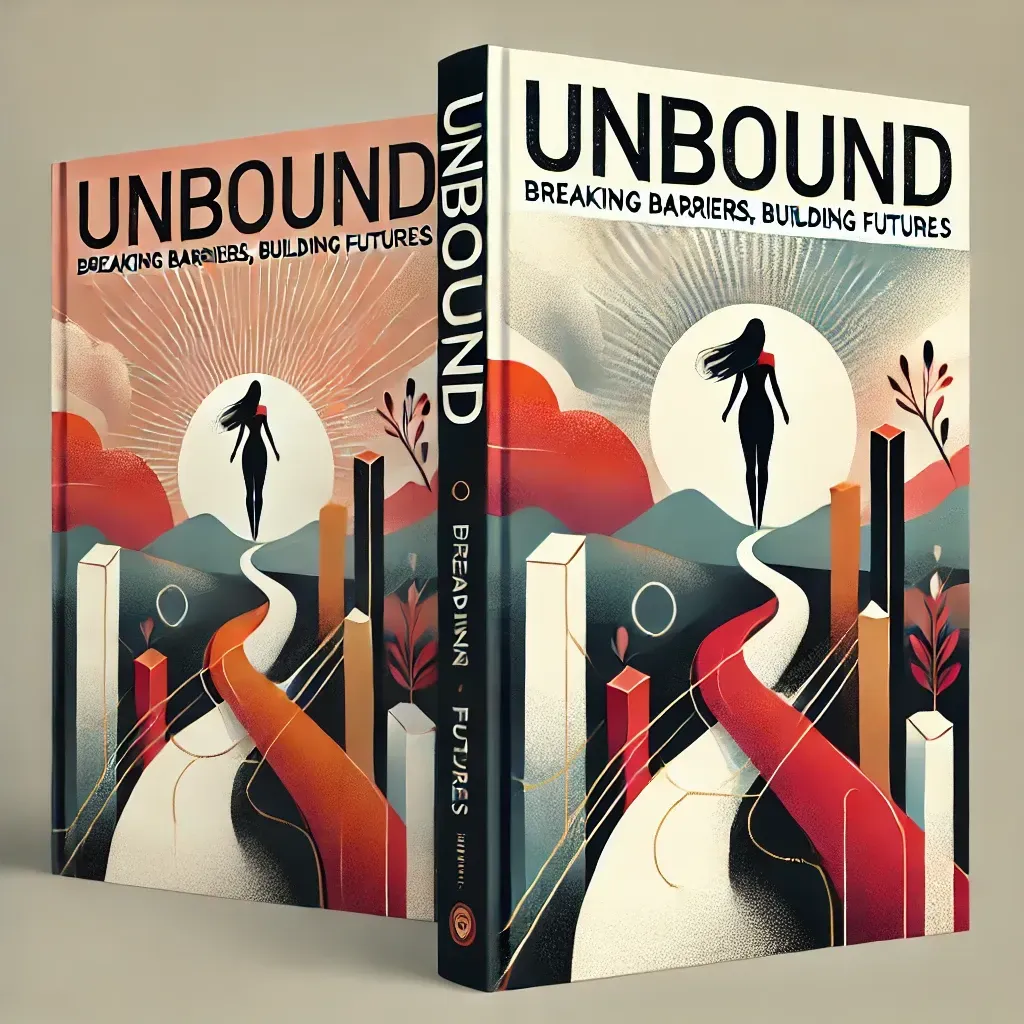
Find Your Authentic Path to Success
In a world where women continue to navigate unique challenges in the workplace, "Unbound" byy Amie Rafter, offers a transformative roadmap for professional advancement on your own terms
This isn't just another career guide—it's a comprehensive companion that blends cutting-edge research with practical wisdom to address the specific obstacles women face, from imposter syndrome to visibility gaps, negotiation challenges to work-life boundaries.
Whether you're launching your career, pushing through the middle management barrier, or aiming for the C-suite, this book provides the tools to transform challenges and live your purpose and potential,
MEET THE FOUNDER & CEO
Amie Rafter
Founder Amie Rafter is a seasoned professional with a diverse background in business, leadership and personal development. She holds an MBA and BS in International Business, spent 24 years in the tech and medical device corporate world and 5 years in non-profit, prior to starting her own business supporting entreprenuers with practical launch strategies. Her combined experience in strategic sales, leadership, along with being a life, career coach, yoga teacher and most importantly, mother, has given her a unique set of tools and capacity to offer holistic support to women.
Amie developed the Unbound model and platform after both experiencing and seeing the challenges women face every day both as entrepreneurs and leaders. She understands that the unique energy and intentions women bring are designed to support the world in the ways we need now and she wants to scale that energy, removing traditional obstacles for her clients and companies.

Blog

Why Your Bible Reading Keeps Failing (And 5 ADHD-Friendly Ways to Fix It)
You’re not spiritually immature. You’re not lazy. The methods just don't fit your brain.
You set the alarm. You made the coffee. You sat down with your Bible — determined that today would be different.
And then your mind decided it had other plans.
If this is you, you’ve probably blamed yourself more times than you can count. You’ve told yourself you need more discipline, more structure, more faith.
But here’s what I’ve learned after decades in ministry all while working with with my own ADHD brain.
The problem was never our faith. It was our method.
Traditional Bible reading advice—sit still, read a chapter, journal three pages, pray quietly in your head — was designed for a neurotypical brain. For Christians with ADHD, that approach can feel less like a spiritual invitation and more like a setup for failure.
The ADHD brain is wired for novelty, challenge, movement, and multi-sensory engagement. When you stop fighting your brain and start working with it, something shifts. God’s Word stops being a discipline to survive and starts becoming a practice you enjoy.
Psalm 1 describes this person— someone who delights in God’s Word. Someone who meditates on it day and night. Not in one marathon, but woven into the rhythms of daily life. That’s a picture that fits the ADHD brain.
Here are five practices that can get you there.
1. Scripture “Sprints” (5–10 Minutes)
Forget the chapter-a-day plan for now. Do this instead:
Set a timer for 5–10 minutes. Read one small passage aloud. Underline one phrase that stands out. Write one sentence about what it reveals about God. Pray two sentences. Stop.
That’s it.
Brief and consistent habits are far better than long and sporadic ones — especially for the ADHD brain. Our brains thrive on short, defined tasks with a clear finish line. You’re not cutting corners on God. You’re building a lasting habit.
2. Habit Stacking
Your ADHD brain already has established grooves — things you do consistently without thinking. The secret is to attach Scripture intake to one of those existing habits. This takes much less energy than carving out a time slot from scratch.
Morning coffee? Listen to a chapter of the audio Bible while it brews. Commute to work? Put on the YouVersion app. Lunch walk? Let Scripture play in your ears while your body moves.
You’re not adding a new discipline. You’re sliding God’s Word into a rhythm that already exists. Over time, your Bible habit will become automatic.
3. The “One Verse Day” Method
Instead of trying to cover a many chapters, go deep on a single verse.
Each morning, pick one verse. Write it on your hand. Set it as your phone wallpaper. Whisper it at red lights. Return to it before bed. Let that single line of Scripture become the soundtrack of your whole day.
The ADHD brain often gets called unfocused — but when something captures its attention, it has no problem focusing. This practice harnesses this ADHD superpower. By the end of the day, you won’t just have read a verse. You’ll have lived it.
4. Visual Scripture Saturation
If your eyes are going to drift — and with ADHD, they will — put something to see in their path.
Write key verses on sticky notes and place them on your bathroom mirror, your computer monitor, your dashboard, your phone wallpaper, or your fridge. Set a verse as your lock screen. Change them weekly so your brain doesn’t stop seeing them.
This isn’t a shortcut. It’s a strategy. When your eyes land on truth dozens of times a day, you’re not just reading it — you’re filling your mind with it. That’s not accidental. That’s Psalm 1 lived out.
5. Scripture-Based Breath Prayer
This one requires almost no sustained attention — which makes it perfect for the hard moments.
Attach a short Scripture phrase to your inhale and exhale. Inhale: “Be still” / Exhale: “and know You are God.” That’s it.
These micro-prayers become automatic habits to anchor you throughout your day. In the middle of a boring meeting, a frustrating conversation, or an overwhelming afternoon — you return to God in seconds, without needing to carve out extended time. Over days and weeks, you’re training your nervous system to look to God as a reflex.
There’s More Where This Came From
These five practices are just a starting point.
I’ve put together a free guide called “15 ADHD-Friendly Practices to Fill Your Mind with God’s Word” — and it’s built entirely around the idea that your brain isn’t a problem to overcome. It’s a design to work with.
Inside you’ll find 15 specific, actionable practices — including links to audio tools, movement-based methods, creative approaches, and more — all designed for the way your brain actually works.
[Download the free guide here →]
You don’t have to do all 15. Start with one. Find what sticks. Build from there.
You are not broken. You’re made differently. You are wired to wonder.

Key Collaborators

Unbound is a sub brand of Hbird Consulting LLC
Looking to start a business or accelerate an existing one? Hbird Consulting offers Vision to Launch coaching and business development support. Check us out at hbirdco.com
Trusted By
Amie's support is personally and professionally empowering. Her services helped me overcome challenges and limiting blocks, moving forward with confidence and clarity in my work and life."

Samantha Berwick
Founder at Embodied Arts Healing
Business Consulting
The Unbound program gave me the frame work I needed to rapidly evolove and transform into the leader and change-maker I came here to be. The program helped me find a balance beteen structure and flow and allowed me the courage
to lean on my network more than ever.

Tracy Tarlow
Founder at Springboard Connectivity
Non-Profit