
UNBOUND
BREAKING BARRIERS,
BUILDING FUTURES
Grow your career. Empowered by AI. Rooted in Wellbeing
We offer education and resources to help women and organizations
navigate emerging tech and build meaningful
success — without trading health, connection, or purpose.
UNBOUND
BREAKING BARRIERS,
BUILDING FUTURES
Grow your career. Empowered by AI.
Rooted in Wellbeing.
We offer education and resources to help women and organizations navigate emerging tech and build meaningful success — without trading health, connection, or purpose.
What We Offer
SElf-paced Courses and Resources

Assessments, Tools, Blog, Courses and Ebooks! See below
Live virtual
AI courses

Click Below to Sign up for our Next Course!
Custom trainings For your teams

Schedule a Meeting to Review your Specific Needs!
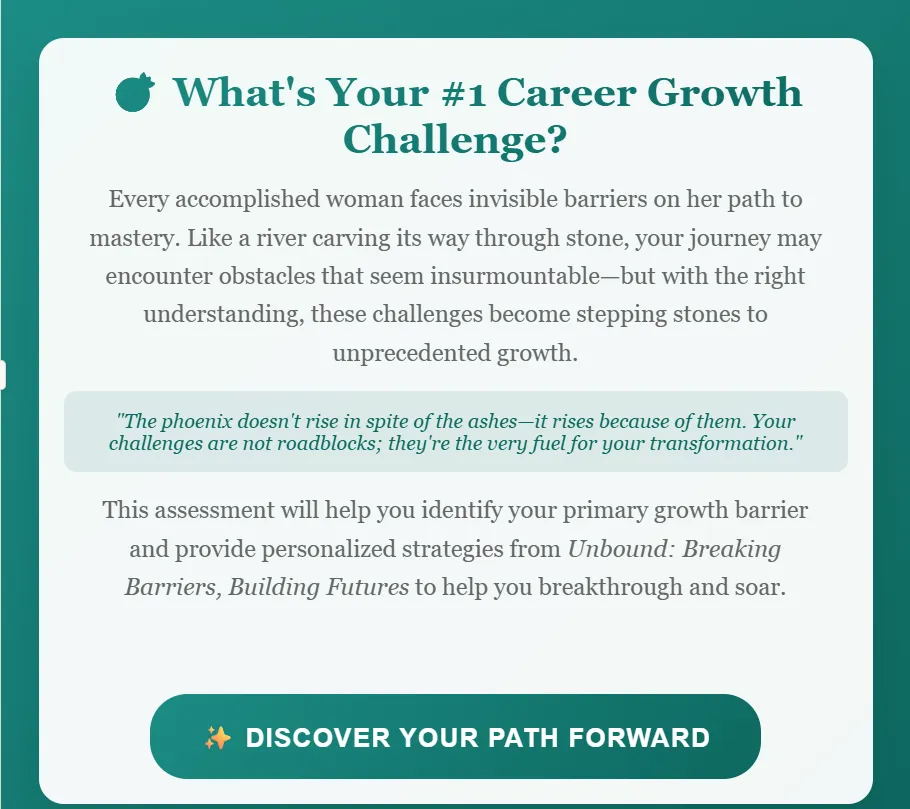
Whats Your #1 Career Growth Challenge?
Take Your FREE Assessment Here to see whats holding you back and what you can do about it!
Features and Benefits
NAVIGATE THE AI LANDSCAPE
Navigate digital transformation and AI to advance rather than hinder your career
FIND YOUR VOICE
Discover your authentic leadership voice and build unshakable confidence
BUILD YOUR BRAND
Develop a compelling personal brand that opens doors to new opportunities
NEGOTIATE LIKE A PRO
Master the art of strategic self-advocacy without compromising your values
BOUNDARY MANAGEMENT
Create boundaries that protect your energy while enhancing your impact
VALUE ALIGNED SUCCESS
Define success on your own terms, creating a path aligned with your deepest values
build your network
How to develop the relationships that amplify your voice, expand your opportunities, and accelerate your impact.
leadership presence
How to embody your authentic authority in ways that create meaningful impact while remaining true to your core values and identity.
work life balance
Learn to manage your energy, aligned with your values and purpose to build a life in balance
Upcoming Courses
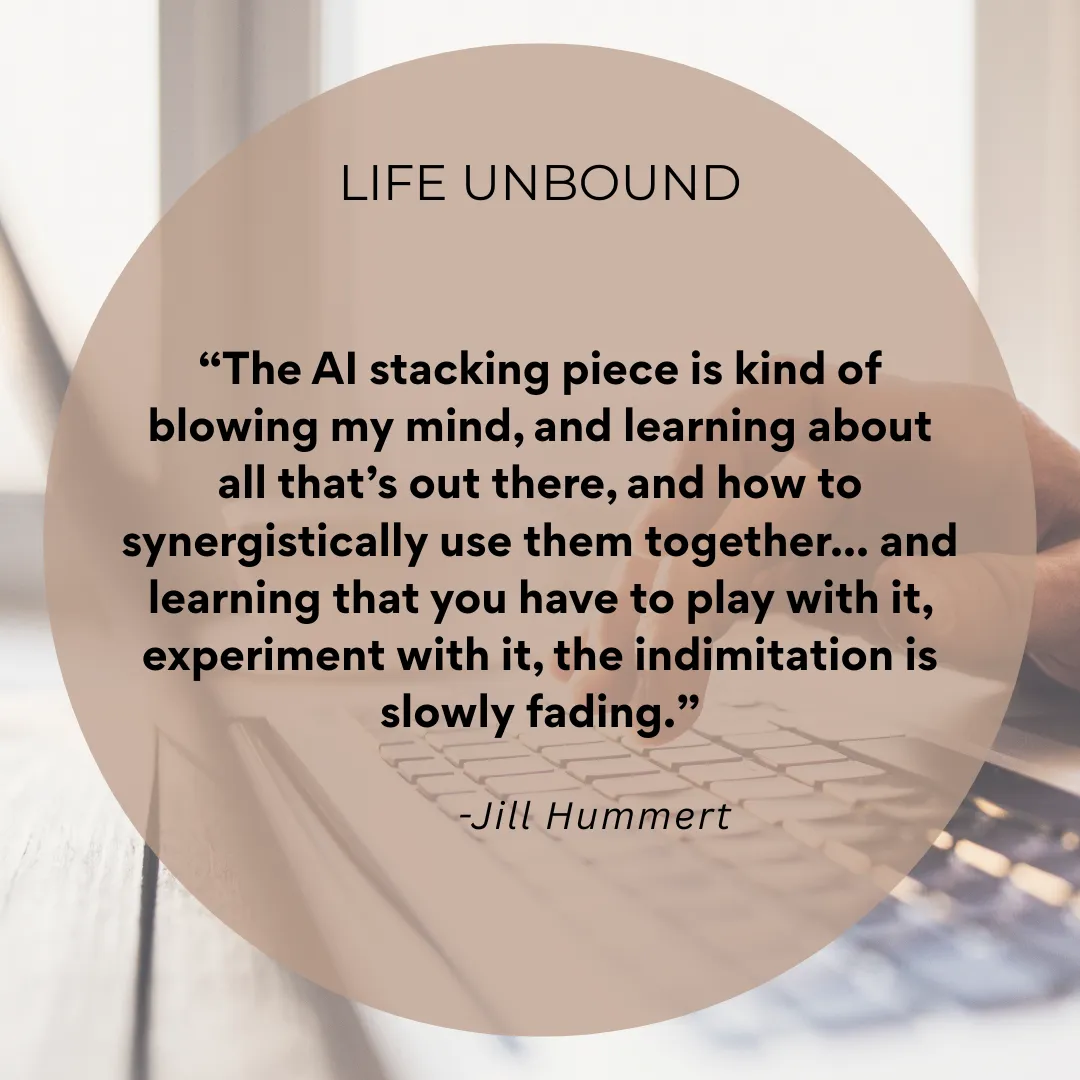
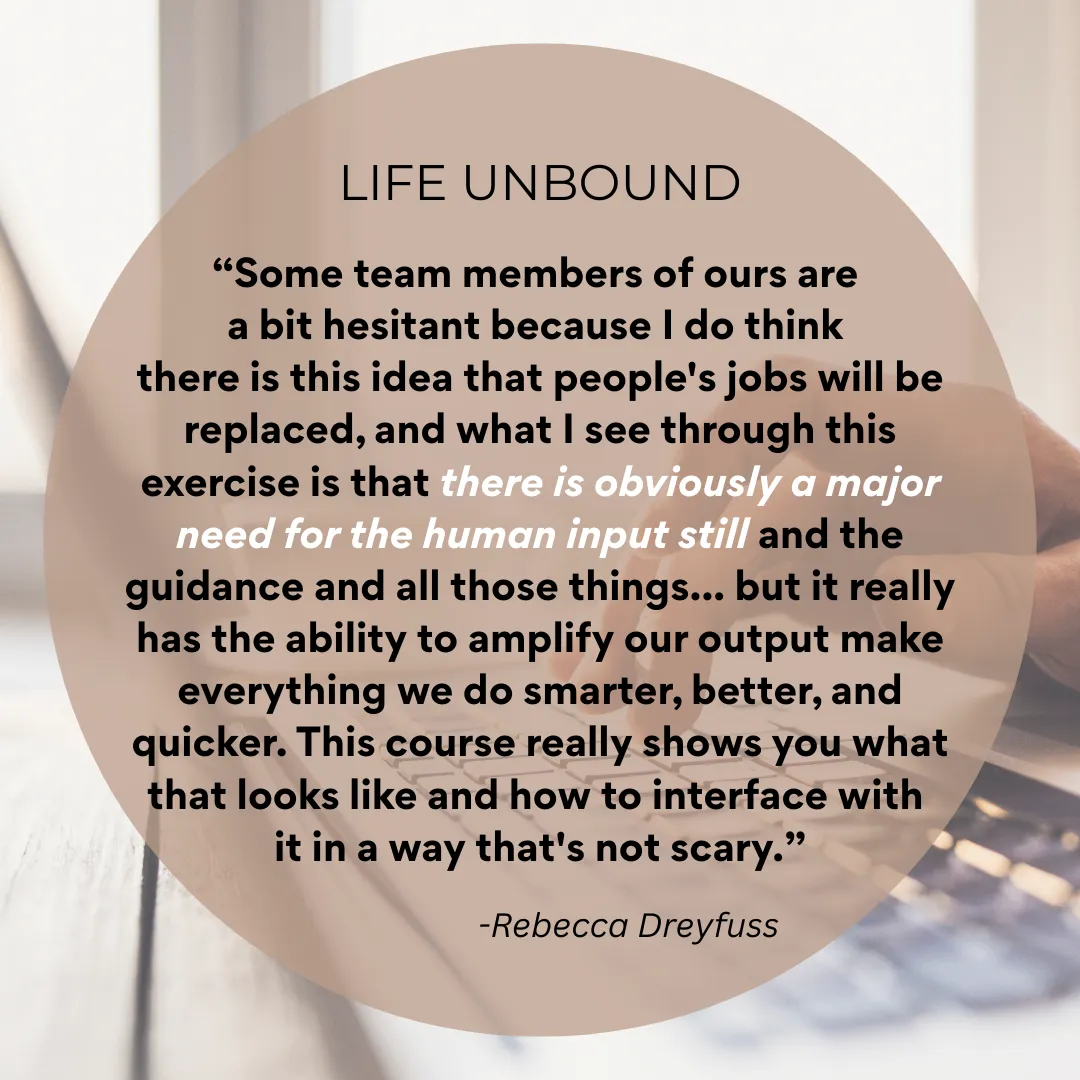
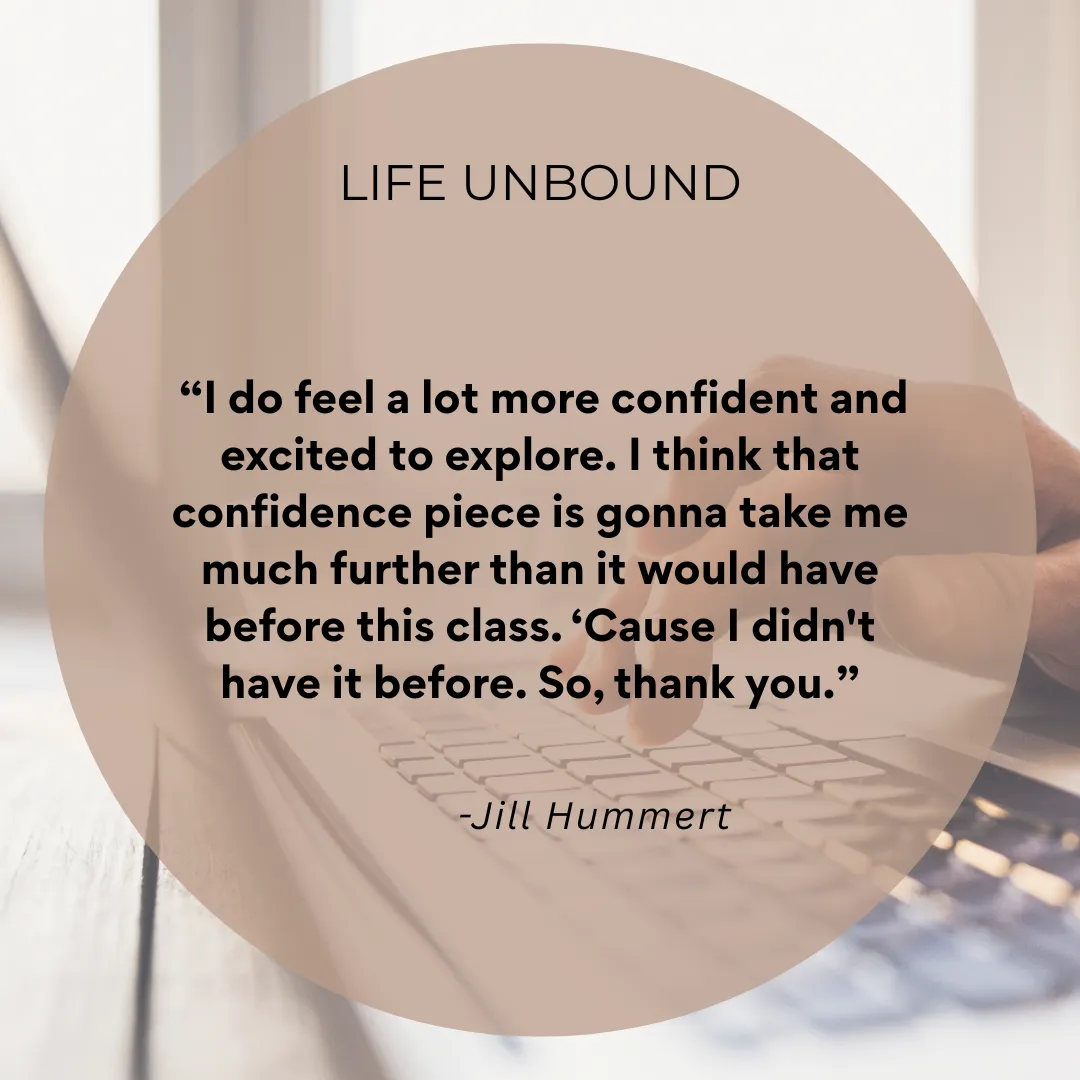
The AI Leverage Foundation
August 2025
Are you ready to unlock your AI skills?
Join a guided experience where you’ll learn to build your own AI toolkit, simplify your workflow, and make AI a supportive part of your life or business.
Just smart strategy, aligned tools, and personal guidance to help you feel capable—not behind.
Ebooks COMING SOON
2025!!
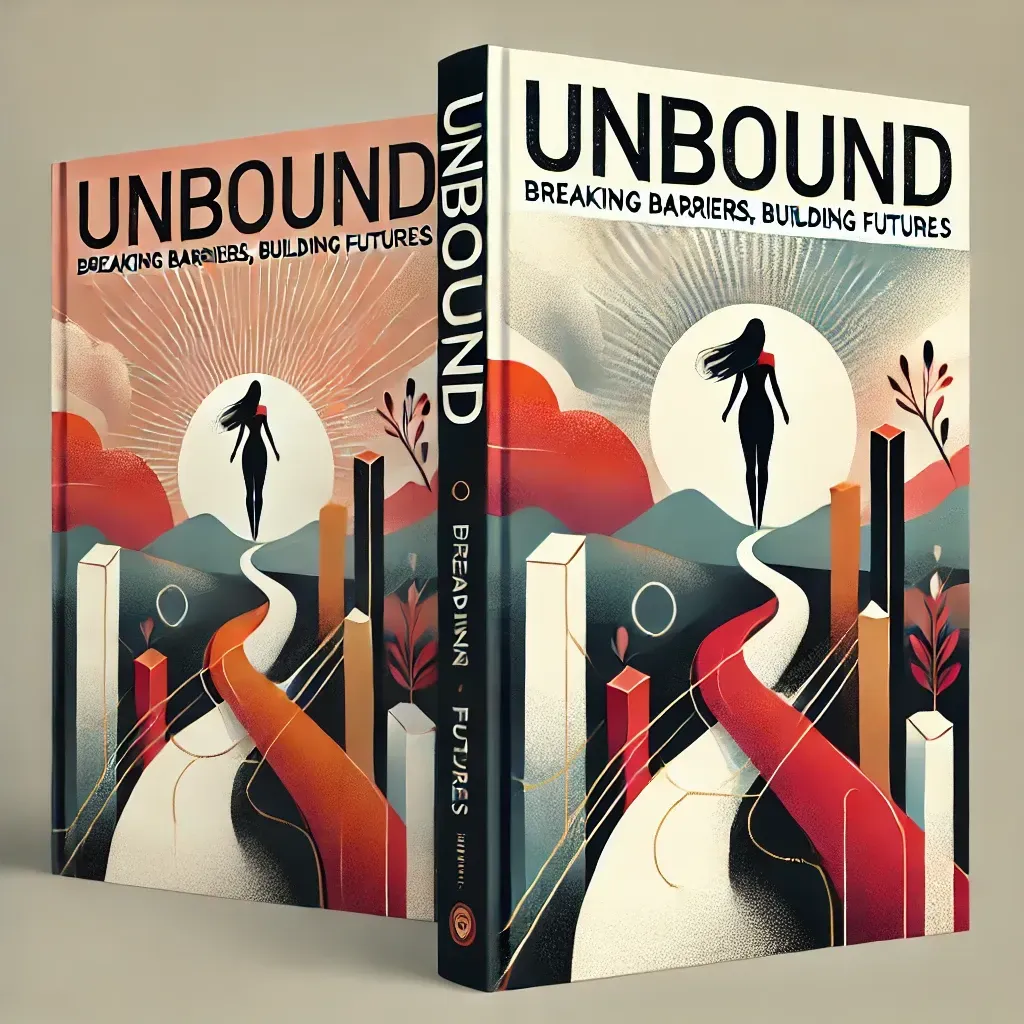
Find Your Authentic Path to Success
In a world where women continue to navigate unique challenges in the workplace, "Unbound" byy Amie Rafter, offers a transformative roadmap for professional advancement on your own terms
This isn't just another career guide—it's a comprehensive companion that blends cutting-edge research with practical wisdom to address the specific obstacles women face, from imposter syndrome to visibility gaps, negotiation challenges to work-life boundaries.
Whether you're launching your career, pushing through the middle management barrier, or aiming for the C-suite, this book provides the tools to transform challenges and live your purpose and potential,
MEET THE FOUNDER & CEO
Amie Rafter
Founder Amie Rafter is a seasoned professional with a diverse background in business, leadership and personal development. She holds an MBA and BS in International Business, spent 24 years in the tech and medical device corporate world and 5 years in non-profit, prior to starting her own business supporting entreprenuers with practical launch strategies. Her combined experience in strategic sales, leadership, along with being a life, career coach, yoga teacher and most importantly, mother, has given her a unique set of tools and capacity to offer holistic support to women.
Amie developed the Unbound model and platform after both experiencing and seeing the challenges women face every day both as entrepreneurs and leaders. She understands that the unique energy and intentions women bring are designed to support the world in the ways we need now and she wants to scale that energy, removing traditional obstacles for her clients and companies.

Blog

How People with ADHD Can Practice Stillness Before God
A therapist once challenged me to be still before God. His assignment: go to the chapel at the nearest hospital and sit in silence for 30–60 minutes.
So I did it. Twice.
It was awful. Torturous.
My mind immediately started wandering—ruminating on unfinished tasks, people who were upset with me, all the ways I was failing as a husband, a father, and a pastor.
I felt like a spiritual failure. Why couldn't I just be still for 30 minutes?
Years later, I found out why: I have ADHD.
You're Not a spiritual failure
Any person with ADHD will tell you that sitting still with zero stimulation is torture. And there's a reason for that.
It's not a willpower problem.
It's not a faith problem.
It's not that you don't love God enough.
It's that your brain is wired differently.
The ADHD brain is wired to avoid boredom and under-stimulation. Sustained attention in quiet, unstructured environments isn't just hard for us—it can actually increase anxiety.
When I finally told my therapist that his version of stillness was making things worse, his advice was the same advice many of us have heard:
"Try harder. Keep at it. You'll get better with time."
I tried. I didn't get better. And the shame kept piling up.
Stillness Is Possible — It Just Looks Different
Does this mean people with ADHD can't practice stillness before God?
Absolutely not.
It just means our stillness looks a little different. Here are four guidelines that actually work for the ADHD brain.
Guideline 1: Start with Brevity
Short and honest beats long and miserable.
Research shows that people with ADHD benefit most from short practices that gradually lengthen over time. Starting with 30-minute blocks of silence will generate more anxiety than spiritual growth.
Start with three to five minutes.
Don't feel guilty. Don't compare yourself to the person who can sit in silence for an hour. Start where you are—and know that God is just as pleased with your three minutes as He is with their sixty.
Guideline 2: Include Gentle Movement
Gentle movement is far more powerful for us than forced stillness. This is called embodied stillness.
When we move our bodies, our brains quiet down. That low-level stimulation keeps us from the kind of under-stimulation that sends our minds scrambling for something—anything—more interesting.
Embodied stillness might look like:
Slow walking
Holding a tactile object (fabric, stone, prayer beads)
Swaying or rocking
Gentle stretching
These small movements give the brain just enough input so that your attention can actually be directed toward God.
For the ADHD brain, gentle movement protects inner stillness.
Guideline 3: Use Anchors to Steady Your Attention
No surprise here: the ADHD mind wanders—often toward unfinished tasks, unresolved conflicts, and old worries. Left unstructured, that drift can quickly spiral into anxiety, guilt, and shame.
The solution isn't to stop your mind from wandering. It's to give yourself a structured way to notice the wandering and return.
That's what anchors do.
Some anchors that work well:
A breath, a mantra, a short prayer, or a single Bible verse
Sensory cues—feeling your feet on the floor, your weight in the seat
A visual focal point—a candle, a cross, a piece of art
Your mind will wander. That's not failure. The practice is noticing it wandered, and gently bringing your attention back.
Anchored attention beats unstructured rumination every time.
Guideline 4: Be Kind to Yourself
This one matters more than most people realize.
Research on ADHD consistently points to self-compassion—non-judgment, self-acceptance, a kind inner voice—as essential to lasting change. This is true whether you're building a productivity habit or a faith practice.
Don't come to your time with God as someone who has to earn their place.
Let grace be the foundation, not the reward.
Kind curiosity will always take you further than harsh self-talk.
What This Looks Like for Me
I combined guidelines 2 and 3 and stumbled onto something that changed my mornings: coloring while I listen to my Bible plan.
Coloring gives my hands gentle movement. It anchors my attention. And it frees up my mind to actually hear Scripture in a way that passive reading never did.
At first, I felt like I was cheating God—like I wasn't giving Him my full attention. But here's the truth: I was giving Him more attention than I ever had before. I just had to stop pretending the old way was working.
The Bottom Line
Spiritual practices are a means to an end—not the end themselves. The goal is connection with God, and His ongoing work of transforming us into the image of His Son.
It took me decades to figure that out. For years I forced myself into practices that worked for everyone around me but not for my brain—and I carried a quiet shame about it the whole time.
Today, I love my time with God. I wouldn't trade it.
Don't apologize for how your brain is wired. Don't feel like you have to justify why your time with God looks different than someone else's. Figure out how you best connect with Him—and make those your practices.

Key Collaborators


Unbound is a sub brand of Hbird Consulting LLC
Looking to start a business or accelerate an existing one? Hbird Consulting offers Vision to Launch coaching and business development support. Check us out at hbirdco.com
Trusted By
Amie's support is personally and professionally empowering. Her services helped me overcome challenges and limiting blocks, moving forward with confidence and clarity in my work and life."

Samantha Berwick
Founder at Embodied Arts Healing
Business Consulting
The Unbound program gave me the frame work I needed to rapidly evolove and transform into the leader and change-maker I came here to be. The program helped me find a balance beteen structure and flow and allowed me the courage
to lean on my network more than ever.

Tracy Tarlow
Founder at Springboard Connectivity
Non-Profit